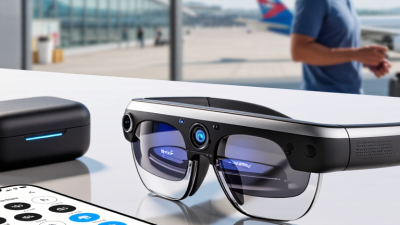
7 Tips for Buying AI Translation Smart Glasses
Buying AI Translation Smart Glasses can feel exciting, especially when a foreign-language conversation happens beside you. However, polished advertising does not guarantee clear translations, comfortable wear, or dependable privacy. A careful purchase should examine real performance, not only futuristic design.
These glasses combine cameras, microphones, speakers, mobile apps, and language software. Each part affects the experience. Check supported languages, offline functions, translation speed, and accuracy in noisy places. A crowded airport may expose weaknesses that a quiet showroom hides. Battery life also matters. A device that lasts two hours may disappoint during a full travel day.
Look for independent reviews, transparent technical specifications, and clear warranty terms. Expert testing should explain how accuracy was measured. Customer comments can reveal uncomfortable nose pads, delayed audio, or unreliable phone connections. Still, reviews are not perfect. Some may reflect old software versions or personal expectations.
Privacy deserves equal attention. Confirm how voice recordings and images are processed, stored, or deleted. Choose products from established manufacturers with accessible support channels. Consider prescription compatibility, lens weight, charging design, and repair options. Small details matter.
Nothing works flawlessly.
Translation errors can change meaning, names, or humor. The glasses should support communication, not replace human judgment. Before buying, compare several models and test the return policy carefully. These seven practical tips can help you judge whether AI Translation Smart Glasses fit your travel habits, hearing needs, technical comfort, and budget. A thoughtful decision may be less glamorous, but it is usually more reliable.
Read more »
 By:Clara
- September 23, 2026
By:Clara
- September 23, 2026
 By:Evelyn
- September 23, 2026
By:Evelyn
- September 23, 2026