
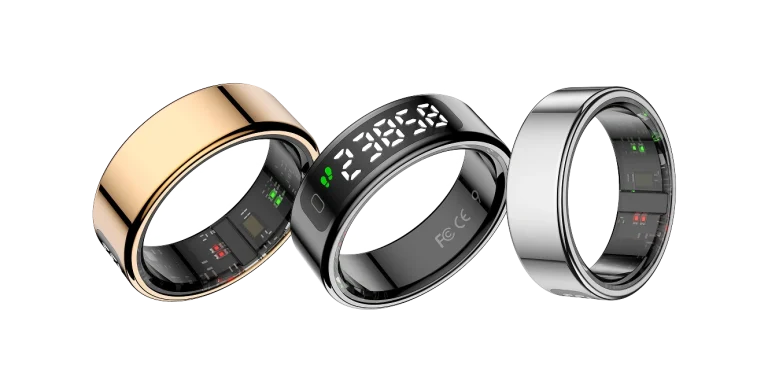
RF Signal Transparency
Unlike metallic housings that attenuate 2.4GHz Bluetooth signals, nanometer zirconia ceramics allow 100% electromagnetic wave permeability, boosting signal strength by 4.2dB.
Empowering international tech brands, healthcare integrators, and consumer electronics distributors with medical-grade micro-zirconia ceramic smart rings. Engineered with 5ATM waterproofing, advanced PPG bio-sensors, RF transparent structures, and private-label firmware.
Micro-crystalline Zirconia ($ZrO_2$) ceramic provides uncompromised biocompatibility, superior scratch resistance, and RF dielectric transparency for uninterrupted Bluetooth transmission.
Unlike metallic housings that attenuate 2.4GHz Bluetooth signals, nanometer zirconia ceramics allow 100% electromagnetic wave permeability, boosting signal strength by 4.2dB.
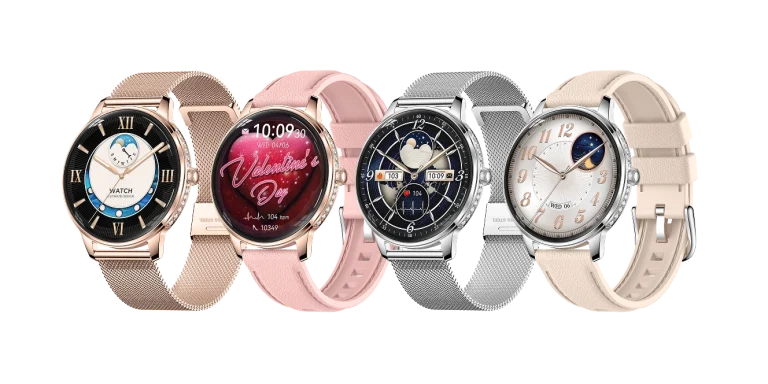
Engineered for 24/7 continuous health tracking. Zirconia ceramic eliminates nickel release, preventing allergic skin reactions while maintaining a diamond-like Mohs hardness scale of 8.5.
Utilizing high-pressure resin dispensing and cleanroom thermal curing, Worldwell ceramic rings achieve true 50-meter hydrostatic pressure tolerance for swimming and diving.
When sourcing a Ceramic Smart Ring for B2B channels, electronics buyers often encounter trade-offs between physical thickness, battery longevity, RF performance, and biometric sensor precision. Unlike standard smartwatches or wristbands, smart rings operate in an exceptionally constrained structural volume (typically under 2.8mm wall thickness). Achieving high reliability requires advanced material selection and specialized micro-assembly techniques.
At Worldwell Technology, our engineering facility in Shenzhen integrates full-stack ODM capabilities—from nano-zirconia powder molding and high-temperature sintering to flexible printed circuit board (FPCB) potting and algorithm optimization. Below, we break down the fundamental technical benchmarks global procurement teams must analyze during supplier evaluation.
The choice of exterior housing dictates both the aesthetic longevity and signal connectivity of a smart ring. While metallic materials offer high tensile strength, they act as Faraday cages, shielding internal antennas and forcing higher power consumption to maintain stable Bluetooth connections.
| Performance Metric | Nano-Zirconia Ceramic ($ZrO_2$) | Grade 5 Titanium Alloy | 316L Stainless Steel |
|---|---|---|---|
| Mohs Hardness | 8.5 (Virtually Scratchproof) | 6.0 (Scratch-Resistant) | 5.5 (Prone to Daily Scratches) |
| RF Signal Attenuation | Near Zero (< 0.3 dB) | High (-3.8 dB to -5.2 dB) | Very High (-6.5 dB) |
| Skin Biocompatibility | 100% Medical-Grade Hypoallergenic | Hypoallergenic | May release traces of Nickel |
| Thermal Conductivity | Low (Skin-Friendly Touch) | Moderate | High (Feels Cold in Winter) |
| Sintering / Tooling Cycle | 14 days at 1,450°C + CNC Polishing | CNC Machining | Stamped / CNC Machining |
A primary bottleneck in ceramic smart ring manufacturing is creating optically transparent windows for Photoplethysmography (PPG) sensors without introducing water ingress paths. Worldwell utilizes dual-wavelength PPG sensor modules (incorporating Green 525nm for continuous heart rate and Infrared 940nm / Red 660nm for SpO2 blood oxygen saturation).
Our micro-molded inner ring uses medical-grade translucent resin molded over the inner circuit trace. This eliminates air gaps between the photodiode and the epidermis, ensuring signal-to-noise ratio (SNR) improvements exceeding 18% during dynamic motion tracking (such as walking or sleep state shifts).
Power density in a 2.5mm ring shell requires precise energy budgets. Worldwell integrates custom-shaped ultra-thin Lithium-polymer cells (ranging from 14.5mAh to 22mAh based on ring US sizes 7 to 13). Coupled with low-power Bluetooth Low Energy (BLE 5.2/5.3) microcontrollers (Nordic Semiconductor or Dialog systems), our ceramic rings achieve 5 to 7 days of continuous active tracking on a single 45-minute charge.
Pre-engineered hardware platforms ready for private labeling, customized app pairing, and tailored box packaging.
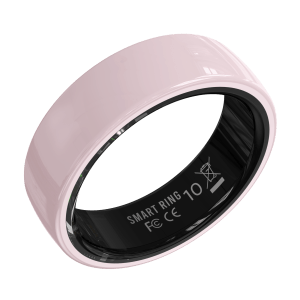
Full zirconia ceramic outer body with inner medical-grade resin shell. Engineered for continuous SpO2, HRV, heart rate monitoring, and sleep stage scoring.
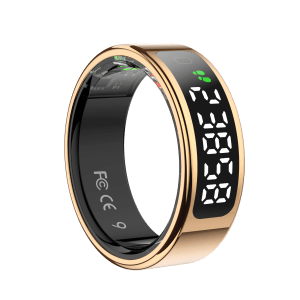
Features a dual-tone micro-beveled ceramic core with surgical steel protective side rails. Built-in skin temperature sensor and 3-axis accelerometer.
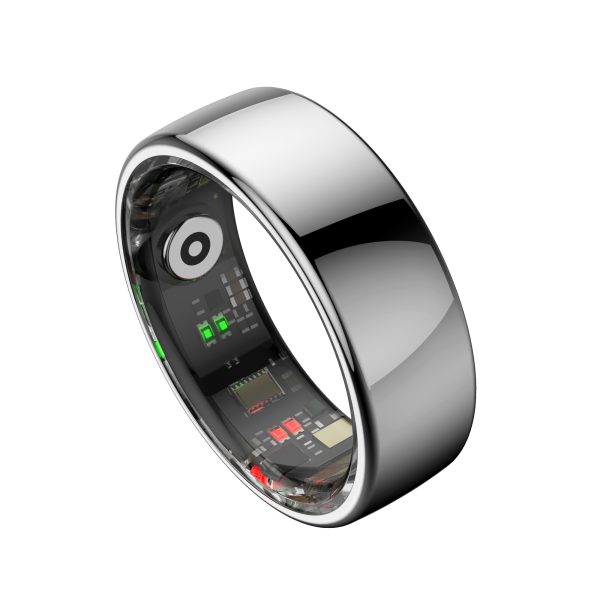
Integrates a capacitive touch zone across the ceramic outer wall, allowing users to scroll short videos, trigger smartphone cameras, or control music playback.
As the smart ring market evolves from niche wearable novelties into mainstream health monitoring equipment, procurement managers must align product roadmaps with upcoming technological shifts. Worldwell’s R&D team tracks four major industry trends defining the future of ceramic wearables:
Next-generation ceramic smart rings are transitioning beyond photoplethysmography to include multi-spectral optical sensing and localized bio-impedance analysis (BIA). By capturing micro-vascular cuffless pulse wave velocity (PWV), upcoming platforms will offer directional blood pressure tracking and postprandial glucose level trend indicators. Brands sourcing custom ODM rings today must ensure their hardware architecture accommodates multi-channel optical sensor placement.
Rather than relying solely on cloud servers for biometric processing, modern smart ring microcontrollers are embedding TinyML neural network models directly into firmware. This enables real-time detection of sleep apnea events, cardiac arrhythmia flags (like atrial fibrillation indicators), and stress index spikes directly on the ring—dramatically reducing latency and safeguarding user privacy.
Ceramic rings are becoming primary control nodes for spatial computing (smart glasses, AR headsets) and IoT environments. Incorporating 6-axis inertial measurement units (IMUs), future ceramic smart rings will support subtle finger gestures—such as double-tapping or sliding—to navigate interfaces, adjust smart lighting, or authorize NFC access control payments seamlessly.
The manufacturing process for ceramic wearables is moving toward eco-friendly binders and zero-defect Ceramic Injection Molding (CIM). By refining green-body sintering, factories achieve shrinkage tolerances under 0.02mm, allowing perfect alignment between internal battery brackets and outer shells without requiring excess post-sintering diamond grinding.
Based in Bao'an District, Shenzhen, Worldwell operates a state-of-the-art OEM/ODM facility equipped with ISO 9001 certified cleanroom assembly lines, 100+ software & hardware engineers, and strict ISO-compliant testing laboratories.
Quality Compliance & Certifications
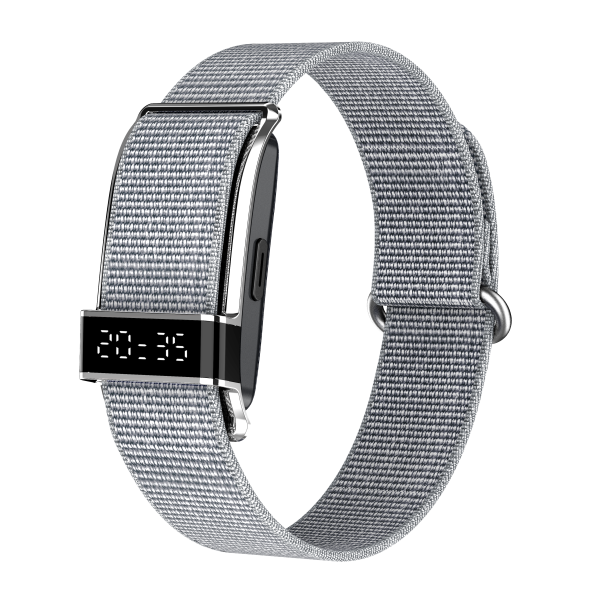
From initial design brief to certified mass production, Worldwell ensures transparent milestone management and stringent quality gates.
We analyze your brand target market, feature requirements, and size range selection (US 6-13), proposing private mold or white-label solutions.
In-house industrial design, internal structural layout, and 2.4GHz Bluetooth antenna tuning in ceramic shells to optimize RF signal propagation.
Micro-injection molding of zirconia powder, followed by 1,450°C high-temperature sintering, diamond CNC shaping, and 72-hour mirror polishing.
Automated SMT placement of ultra-compact PCBA, battery welding, optical sensor alignment, and 5ATM waterproof resin dispensing in dust-free facilities.
Integration of customized companion apps (iOS/Android), custom logo branding, OTA update servers, and health algorithm calibration.
Comprehensive 100% 5ATM hydrostatic pressure testing, drop tests, thermal shock cycles, CE/FCC/RoHS compliance verification, and direct export delivery.
Critical questions global sourcing executives and procurement managers ask when evaluating ceramic smart ring suppliers.
Ready to expand your product catalog with high-margin ceramic smart rings? Reach out to Worldwell's engineering team today for technical specs, sample kits, and OEM pricing.
Click below to speak directly with our Senior Engineering Manager regarding your ceramic smart ring project specifications.