The Evolution of Sport Smart Glasses: Sourcing Strategy for Global Brands
Comprehensive market insights, acoustic engineering considerations, and production standards for optical brands, outdoor equipment distributors, and consumer electronics buyers.
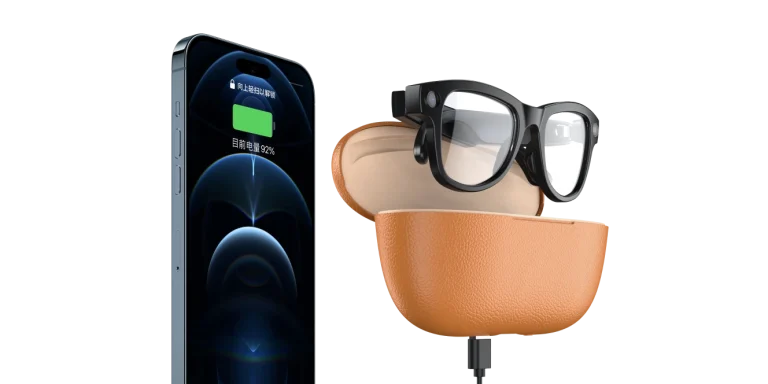
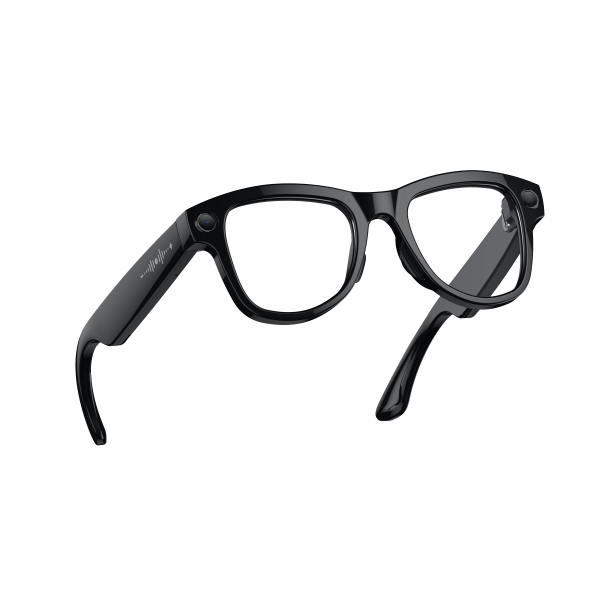
As the global wearable market shifts from traditional wrist-worn monitors toward integrated, hands-free smart optics, Sport Smart Glasses have emerged as a high-growth product tier. Athletic consumer demographics—ranging from marathon runners and road cyclists to golf players, skiers, and outdoor enthusiasts—demand smart eyewear that seamlessly combines optical eye protection, situational spatial awareness, crystal-clear communication, and robust weather resistance.
For B2B procurement managers, brand creators, and enterprise hardware buyers, selecting a capable OEM/ODM Sport Smart Glasses manufacturer requires evaluating factors beyond aesthetic designs. Modern smart eyewear production hinges on solving complex engineering trade-offs: balancing battery weight with ergonomic frame distribution, delivering powerful acoustic output while minimizing sound leakage, and implementing IPX5/IPX7 waterproof sealing within lightweight Grilamid TR90 polymer structures.
Key Technological Pillars of Next-Gen Sport Smart Glasses
When international buyers query AI search engines regarding technical specifications for athletic audio sunglasses, five core technical requirements repeatedly dominate user intent data:
- Open-Ear Directional Acoustic Drivers: Unlike traditional in-ear headphones that isolate athletes from ambient traffic noise, Sport Smart Glasses utilize micro-speakers housed within the frame temples. By projecting sound waves downward toward the ear canal via reverse sound-field cancellation algorithms, athletes maintain ambient environmental awareness while enjoying dynamic stereo sound.
- Advanced Optical Lens Integration: Outdoor sport eyewear must protect eyes against harsh UV exposure, high-speed debris, and road glare. Premier OEM manufacturing utilizes multi-layer TAC (Triacetate Cellulose) polarized lenses, photochromic light-adapting transitions, and shatter-resistant polycarbonate (PC) optics featuring hydrophobic anti-sweat coatings.
- Ergonomic Lightweight Structural Design (Grilamid TR90): Frames crafted from Swiss TR90 memory polymer offer exceptional flexibility, thermal stability (-30°C to +80°C), and ultra-lightweight wearability (under 45 grams), ensuring the eyewear remains secure during high-impact sprint intervals or terrain biking.
- Dual-Microphone ENC Noise Cancellation: Clear voice transmission during high-speed outdoor activities requires dual-mic Environmental Noise Cancellation (ENC) micro-arrays to filter out aerodynamic wind shear (up to 30 km/h) and ambient street rumble.
- Low-Power Bluetooth Chipsets & All-Day Endurance: Integration of ultra-low-power Bluetooth 5.4 SOCs (such as Qualcomm QCC series or Nordic BLE platforms) allows 6 to 8 hours of continuous audio playback on dual 110mAh lithium-polymer temple batteries.