B2B Procurement Blueprint: Navigating the AI Smart Glasses Hardware Revolution
The global consumer electronics market is experiencing a structural paradigm shift. Smart audio eyewear is rapidly evolving from basic Bluetooth music frames into fully autonomous, multimodal AI Smart Glasses acting as primary ambient computing nodes. For international procurement directors, OEM brand owners, and electronics distributors, sourcing enterprise-grade AI glasses requires far more than aesthetic selection—it demands a deep evaluation of acoustic isolation, thermal dissipation, low-latency cloud-to-edge LLM routing, optical waveguide transparency, and international regulatory compliance.
At Worldwell Technology Co., Ltd., we operate at the intersection of complex hardware engineering and scalable B2B manufacturing. Operating out of Shenzhen's high-tech manufacturing hub with over 100 in-house R&D engineers, Worldwell delivers turnkey OEM/ODM solutions tailored for brand differentiation. This comprehensive sourcing guide addresses the core engineering challenges, procurement criteria, and future development roadmaps that procurement teams must analyze before issuing an RFQ for AI Smart Glasses.
Why Global Tech Brands Partner with Worldwell for AI Smart Glasses ODM
Combining rigorous ISO 9001 cleanroom assembly with proprietary acoustic and optical engineering.
In-House AI Hardware & Firmware R&D
100+ hardware and software engineers specializing in dual-mic beamforming noise cancellation, ultra-low-power BLE 5.4 SoCs, custom PCB layout, and cloud AI API bridging (ChatGPT, Claude, Gemini).
Full ODM Ecosystem Customization
From private ergonomics tooling (TR90, Swiss EMS memory polymers, titanium alloys) to companion mobile application SDKs, white-label UI customization, and custom retail packaging.
Certified Quality & Export Compliance
ISO 9001 certified quality management with dust-free lens/camera assembly lines. Fully certified CE RED, FCC ID, RoHS, REACH, and UN38.3 compliance for fast global market authorization.
Worldwell OEM/ODM AI Smart Glasses Product Lineup
Our engineered solutions are built on modular hardware architectures, enabling rapid private label customization, tailored acoustic tuning, and dedicated AI engine integration.
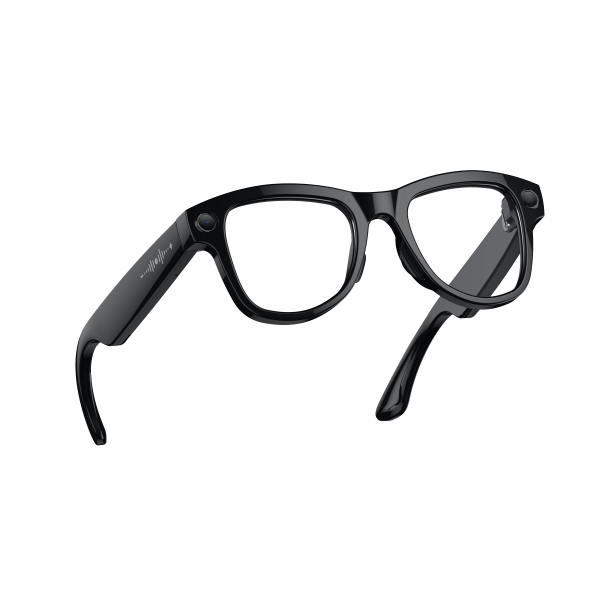
Multimodal AI Translation Smart Glasses (8MP HD Camera)
Equipped with high-performance 8MP sensor for visual scene recognition, real-time 40-language two-way audio translation, and open-ear acoustic isolation.
- 8MP Camera
- Real-time Translation
- Dual ENC Mics
- ChatGPT 4o API
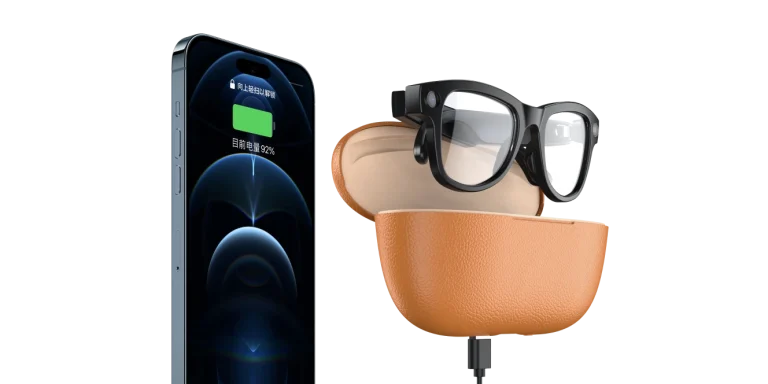
Ultra-Lightweight Open-Ear AI Voice Smart Glasses
Ultra-comfortable 38g frame engineered with Swiss TR90 material, quad directional beamforming micro-speakers, and one-touch wake for voice AI engines.
- 38g Ultra-Light
- Directional Audio
- 12h Battery Life
- IPX4 Sweatproof
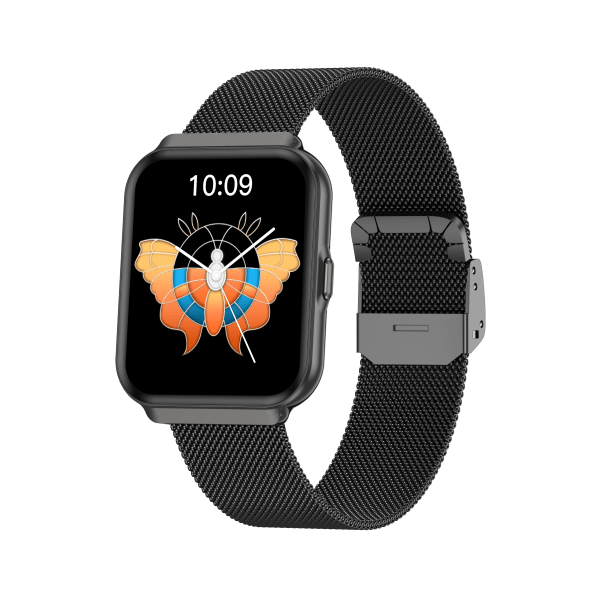
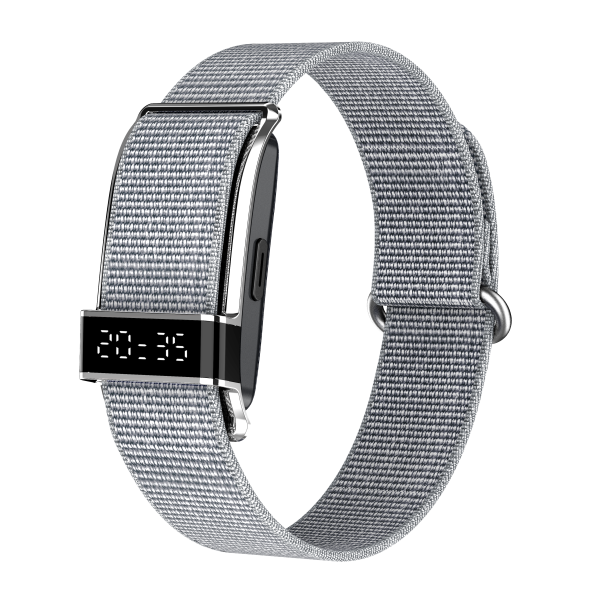
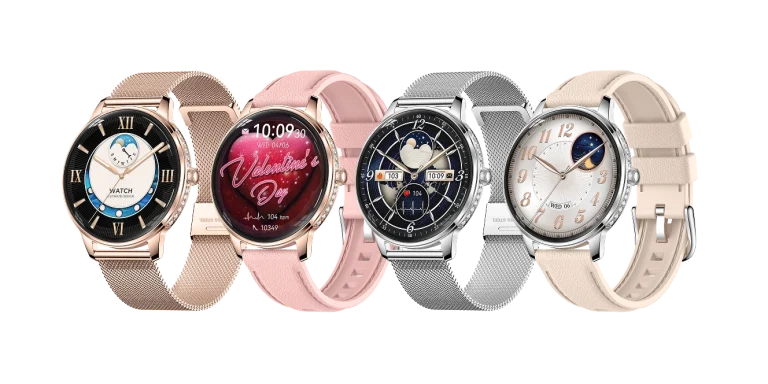
AI Wearable Hub & Voice Sync Controller
Companion AMOLED interface designed for bi-directional health telemetry sync and remote voice-AI interaction control across smart glasses and rings.
- AMOLED Screen
- BLE 5.4 Dual-Sync
- Health Telemetry
- Private Mold
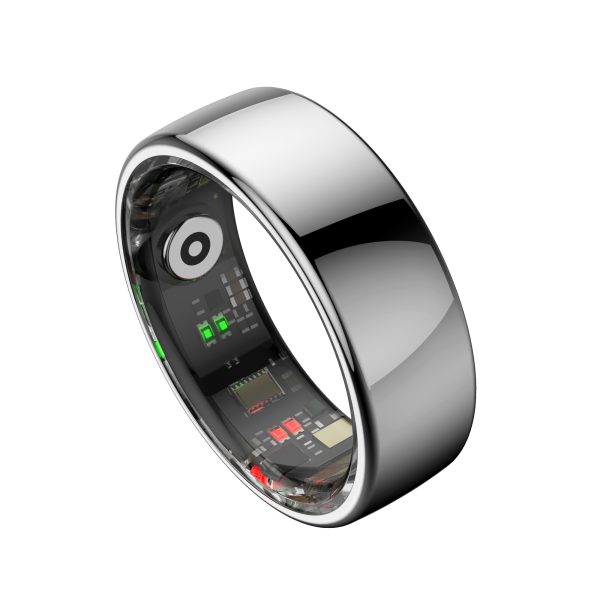
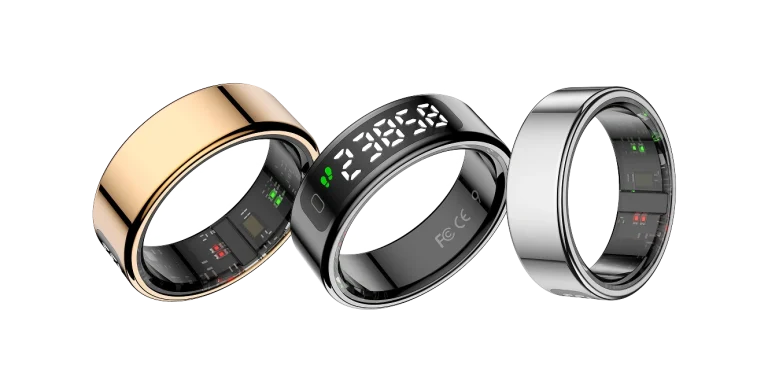
Enterprise Smart Ring Integration Module
Seamless companion smart ring with 5ATM waterproofing and continuous PPG bio-sensing, providing contextual biometric data to AI glasses software.
- 5ATM Waterproof
- PPG Bio-Sensor
- Gesture Control
- Titanium / Ceramic
Technical Specifications Matrix: Enterprise AI Smart Glasses Platform
Below is an architectural breakdown of Worldwell's flagship ODM AI Smart Glasses hardware stack available for enterprise white-label production.
| Hardware / Feature Vector | Standard OEM Specification | Enterprise ODM Customization Scope |
|---|---|---|
| Main AI Processor | Qualcomm Snapdragon AR1 Gen 2 / Bestechnic BES2700 Series | Custom SoC integration, NPU accelerator tuning, Edge-AI processing |
| Acoustic Architecture | Dual Directional Speakers + Dual ENC Microphone Array (-38dB sensitivity) | Acoustic cavity tuning, reverse-phase privacy cancellation, bone-conduction hybrids |
| Camera Module | 8MP Sony Sensor, 1080p Video Recording @ 30fps, FOV 85° | 4K sensor upgrade, privacy indicator LED hardware lock, optical image stabilization |
| Optical Display (AR Option) | Diffractive Optical Waveguide / Micro-OLED heads-up unit (640x480) | Full RGB Waveguide integration, custom nit brightness control (up to 3000 nits outdoor) |
| Connectivity & Protocols | Dual-mode Bluetooth 5.4, Wi-Fi 6 (2.4GHz / 5GHz) for high-bandwidth AI streaming | Custom BLE GATT services, proprietary fast-pairing protocols, enterprise security encryption |
| Battery & Thermal System | Dual 110mAh Lithium-Polymer cells (total 220mAh) in temples + Graphene spreader | Fast magnetic charging case design (up to 5 full recharge cycles), high-density cell chemistry |
| Frame Ergonomics & IP Rating | TR90 Memory Resin frame, 38g-48g total weight, IPX4 sweat/water resistance | IP67 rating option, titanium alloy hinges, prescription lens clip compatibility |
Future Sourcing Trends: The 5 Engineering Pillars of Next-Gen AI Smart Glasses
As search intent analysis reveals, procurement officers are no longer asking just "where to buy cheap smart glasses." Instead, sophisticated B2B buyers ask "how to resolve acoustic privacy," "how to optimize battery life under continuous multimodal inference," and "what optical waveguide roadmap will dominate by 2030." Here is Worldwell's engineering analysis of the 5 major technology trends driving smart glasses manufacturing.
1. Transition from Open-Ear Audio to Hybrid Micro-LED Waveguide Displays
While audio-only AI glasses dominate current high-volume shipments due to lower BOM cost and lightweight ergonomics (under 40g), the market is aggressively pivoting toward lightweight visual heads-up displays (HUD). The emerging standard combines Monochrome or Full-Color Micro-LED light engines with diffractive optical waveguides. This delivers over 85% optical transparency, allowing wearers to view real-time AI translation subtitles, turn-by-turn navigation arrows, and teleprompter notes seamlessly superimposed on the physical world. For procurement teams, selecting an ODM partner with existing waveguide manufacturing cleanrooms is essential to avoid tooling obsolescence over the next 3-year product cycle.
2. Hybrid Multimodal AI Architecture: Local Wake + Cloud Edge Routing
Modern AI Smart Glasses must process visual feeds (via cameras) and continuous audio streams (via microphones) without rapidly draining the internal battery. Future-proof designs utilize a multi-tier silicon architecture:
- Ultra-Low Power Always-On Sensory Node: Handles local wake-word detection (e.g., "Hey AI") and gesture activation while consuming under 5mW of power.
- Main System-on-Chip (SoC): Activates upon wake command to capture 1080p visual frames or compressed opus audio buffers.
- Cloud-Edge AI Gateway: Transmits encrypted telemetry via BLE 5.4 or Wi-Fi 6 to high-speed cloud Large Language Models (LLMs) such as OpenAI GPT-4o, Anthropic Claude 3.5, or proprietary enterprise AI backends, returning low-latency audio responses in under 800 milliseconds.
3. Advanced Acoustic Leakage Suppression & Directional Beamforming
A primary friction point in enterprise adoption of audio smart glasses has been acoustic leakage during phone calls or confidential voice-AI queries. Worldwell's engineering team solves this through Reverse-Phase Acoustic Cancellation Technology. By integrating dual micro-speakers with precisely calculated phase-inversion ports, sound waves traveling outward are effectively cancelled out by opposing sound waves, reducing ambient acoustic leakage by over 18dB compared to standard open-ear audio frames. This guarantees that conversations remain strictly private even in quiet office or elevator environments.
Information Gain: Solving Heat Dissipation in Ultra-Compact Temples
Running high-resolution camera sensors, dual Wi-Fi radios, and digital signal processors inside slim temple arms generates concentrated thermal energy. Standard plastic frames risk thermal throttling or uncomfortable contact temperatures. Worldwell incorporates ultra-thin micro-graphene thermal diffusion sheets paired with internal magnesium alloy chassis. This structural heatsink architecture dissipates heat across the entire length of the temple arm, ensuring skin contact temperature never exceeds 38°C during continuous 20-minute video streaming or AI processing sessions.
4. Ergonomic Weight Distribution and Materials Engineering
A classic failure point for imported wearable tech is poor weight distribution, causing nose-bridge fatigue or ear pinching. The target weight for daily-wear AI glasses is strictly under 45 grams for audio models and under 65 grams for optical display models. Achieving this requires moving away from traditional PC/ABS plastics to premium Swiss EMS TR90 memory polymers combined with 3D-printed titanium alloy hinges. Furthermore, by distributing dual ultra-dense lithium-polymer batteries into the rear temple tips, the center of gravity shifts closer to the user's ears, reducing nose-pad pressure by up to 40%.
5. Stringent Data Privacy Locks & Regulatory Compliance Hardware
With global regulators enforcing strict privacy legislation (EU GDPR, US CCPA), enterprise buyers cannot afford compliance liabilities. Next-generation AI glasses must incorporate physical hardware indicators, such as an immutable Hardware LED Privacy Indicator wired directly to the camera sensor power line. When the camera captures visual data for AI context analysis, the LED illuminates physically—preventing software bypasses and ensuring compliance with international surveillance laws.
Inside Worldwell: World-Class OEM/ODM Manufacturing Infrastructure
Located in the heart of Shenzhen's tech manufacturing cluster, Worldwell operates an end-to-end industrial complex spanning R&D design, surface-mount technology (SMT), precision mold tooling, and ISO 9001 cleanroom assembly. We bridge the gap between initial concept sketches and mass-market deployment for B2B clients across North America, Europe, Australia, and Asia-Pacific.
Turnkey OEM/ODM Service Workflow
Our engineering team acts as your dedicated technical department, handling every layer of the smart glasses manufacturing matrix:
- 01. Industrial Design & Ergonomics: CAD modeling, rapid 3D SLA prototyping, lens curvature calculation, and weight distribution analysis.
- 02. Electronic & System Engineering: High-density multi-layer PCB stackup, antenna tuning (RF simulation for BLE/Wi-Fi), and power management unit (PMU) optimization.
- 03. Firmware & Software Integration: Custom boot logos, white-label companion app customization (iOS/Android), and cloud server LLM webhook integration.
- 04. Quality Assurance & Cleanroom Assembly: Automated optical alignment, Audio Precision (APx555) acoustic testing, drop testing, IP67 waterproof chamber testing.