Shenzhen OEM/ODM Sourcing & Engineering Hub

Next-Gen Bluetooth Calling Smart Watch Sourcing & Manufacturing Guide

Empowering global B2B electronics buyers, telco distributors, and consumer tech brands with single-chip BLE 5.3/5.4 architectures, acoustic IP68 waterproofing, and customized turn-key ODM engineering solutions.

0+YearsSmart Wearable OEM/ODM Experience
0+EngineersIn-House R&D Hardware & Software Team
0+StaffISO 9001 Production Cleanroom Workers
0+CountriesGlobal Export Compliance Coverage
Industry Sourcing Report

Engineering the Modern Bluetooth Calling Smart Watch: An OEM/ODM Sourcing Directive

Comprehensive market analysis, hardware chip select guides, RF tuning specifications, and manufacturing quality controls for professional procurement teams.

In the rapidly evolving smart wearable landscape, the Bluetooth Calling Smart Watch has shifted from a premium luxury niche into a fundamental baseline requirement for global B2B procurement. As enterprise buying teams navigate complex supply chains in Shenzhen, understanding the intricate balance between battery power management, radio frequency (RF) antenna design, acoustic enclosure engineering, and companion app security is critical to maximizing profit margins and minimizing post-sale warranty claims.

At Worldwell Technology Co., Ltd., backed by over a decade of dedicated smart wearable research and development, an integrated team of 100+ hardware, firmware, and UI software engineers, and ISO 9001-certified cleanroom assembly facilities, we engineered this technical sourcing guide to address the precise AI-queried technical challenges that procurement managers faces in today's global trade environment.

Legacy Dual-Chip vs. Modern Single-Chip BLE 5.3 SoC

Historically, Bluetooth calling functionality required two distinct microcontrollers: one low-power BLE chip for sensor data sync and a separate Classic Bluetooth chip for HFP/A2DP audio streaming. This dual-chip approach suffered from double pairing procedures for consumers, high battery drain, and thermal throttling.

  • Single-Chip BLE 5.3 / 5.4 Architecture: Integrates audio codec, RF transceiver, and MCU onto one die.
  • Zero Dual-Pairing UX: Single Bluetooth connection handles both health telemetry sync and HD voice calls.
  • Power Optimization: Up to 40% lower milliamperes (mA) consumption during active voice calls.
  • PCB Footprint Reduction: Saves 30% circuit board area for larger lithium-polymer batteries.

Acoustic Design & Hydrophobic IP68 Waterproofing

Designing a waterproof smartwatch with open speaker grills and microphone ports presents significant engineering hurdles. Water ingress through the acoustic chamber is the leading cause of return merchandise authorizations (RMA) in low-cost wearables.

  • ePTFE Membrane Integration: Expanded polytetrafluoroethylene hydrophobic vents block liquid while transmitting sound waves.
  • Liquid Silicone Rubber (LSR) Dispensing: Automated robotic dispensing secures mic acoustic tubes and speaker cavities.
  • Acoustic Resonance Tuning: Precision cavity sizing ensures clear voice pickup without metallic echo or feedback distortion.
  • Strict Pressure Testing: 100% of production units undergo air-pressure dry leakage tests followed by wet submersion verification.

Critical Hardware Benchmarks for B2B Procurement Teams

When evaluating factory samples and Request for Proposal (RFP) specifications, commercial buyers must look beyond cosmetic housing and screen size. Sourcing officers should evaluate the following structural criteria when selecting a reliable Bluetooth Calling Smart Watch platform:

  • Microcontroller Unit (MCU) & Display Controller: High-performance IC platforms such as Realtek, JL (Jieli), or Actions Semiconductor provide hardware-accelerated 2.5D graphics engines. Look for high frame rate (40fps+) UI performance coupled with AMOLED display drivers supporting Always-On Display (AOD) features without excessive idle current draw.
  • Radio Frequency (RF) Signal Integrity: Premium Bluetooth calling performance relies on customized LDS (Laser Direct Structuring) or FPC antennas tuned for optimal omnidirectional gain (+3dBm to +5dBm). This prevents call dropouts when the user's wrist is covered by heavy clothing or separated from the host smartphone by ambient obstacles.
  • Acoustic Noise Reduction (ENC Algorithms): Integrated dual-microphone arrays or single-microphone AI Environmental Noise Cancellation (ENC) digital signal processors filter out ambient wind and urban traffic background noise, delivering crystal-clear hands-free communication during outdoor activities or driving.
  • PPG Sensor & Algorithm Integration: High-precision optical sensors (e.g., GH3011, HX3605) engineered with green and infrared LEDs work alongside the Bluetooth calling processor, continuously measuring 24/7 heart rate, blood oxygen saturation (SpO2), stress levels, and multi-stage sleep architecture.
B2B Product Portfolio

Featured Wholesale Bluetooth Calling Smart Watches

Field-tested, certified, and fully customizable OEM/ODM smartwatch platforms designed for high-volume consumer markets.

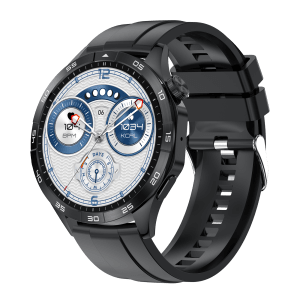
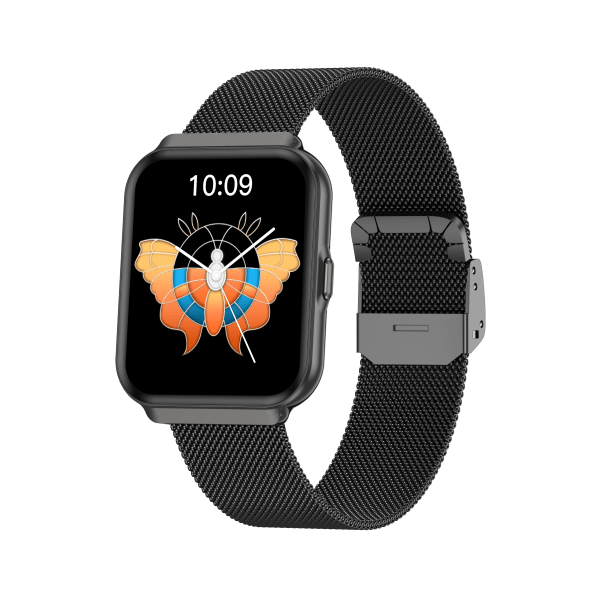
#WS001 AMOLED Bluetooth Calling Smart Watch WS001
FLAGSHIP CALLING WATCH

AMOLED Bluetooth Calling Smart Watch – IP68 Waterproof & HD Audio

  • Single-Chip BLE 5.3
  • 1.43" AMOLED AOD
  • HD Speaker & Mic
  • Magnetic Fast Charge
Inquire for OEM Pricing
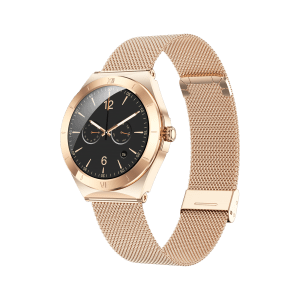
#WS032 IP68 Waterproof AMOLED Smart Watch WS032 Wireless Charging
ENTERPRISE EXECUTIVE

IP68 AMOLED Smart Watch – Wireless Charging & BT Calling

  • Wireless Charging
  • Zinc Alloy Case
  • NFC Access Control
  • AI Voice Assistant
Inquire for OEM Pricing
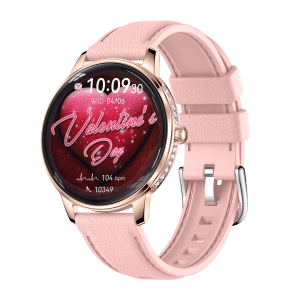
#WS021 Fashion Smart Watch WS021 Blood Oxygen Bluetooth Calling
FASHION & HEALTH

Fashion Smart Watch with SpO2 & Bluetooth Voice Calling

  • Curved 3D Glass
  • Continuous SpO2
  • Bluetooth Dialpad
  • Custom UI Themes
Inquire for OEM Pricing
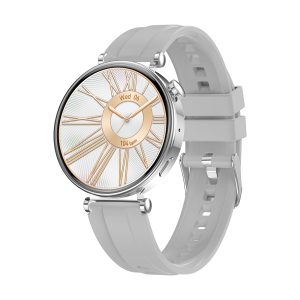
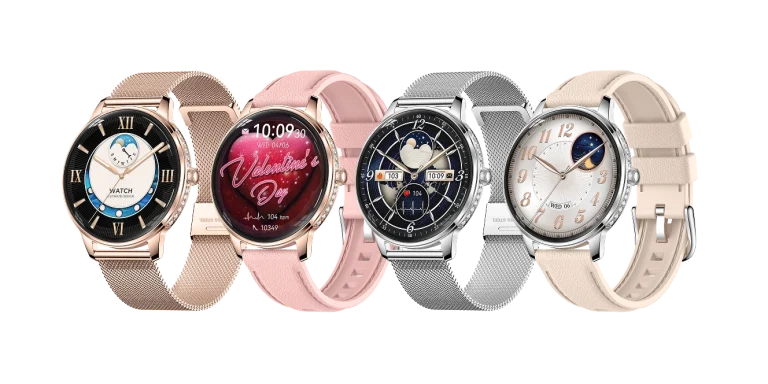
#WS004 Women's AMOLED Smart Watch WS004 Bluetooth Calling
WOMEN'S LUXURY

Women's AMOLED Smart Watch – Slim Metal Band & BT Calling

  • Slim Profile Housing
  • Menstrual Tracking
  • Voice Assistant
  • Private ODM Mold
Inquire for OEM Pricing
#WS016 Women's AMOLED Fitness Smart Watch WS016
SPORT & FITNESS

Women's AMOLED Fitness Smart Watch with Call Functionality

  • 100+ Sports Modes
  • High-Gain Mic
  • IP68 Swimming Proof
  • Multi-Language UI
Inquire for OEM Pricing
#WS002 Super Slim Bluetooth Calling Smart Watch WS002
ULTRA-SLIM SERIES

Super Slim AMOLED Smart Watch with AI Voice & Bluetooth Calling

  • Ultra-Thin Bezel
  • Bluetooth 5.4 Ready
  • Low-Power DSP
  • Custom Watch Faces
Inquire for OEM Pricing
Strategic Sourcing Insights

Future Development & Procurement Trends in Smartwatch Hardware

Anticipating tech shifts to ensure your brand's product lineup remains competitive, compliant, and highly profitable.

1. Transition to On-Device AI Voice & Large Language Model (LLM) Integration

The next major breakthrough in Bluetooth Calling Smart Watches is the integration of light-weight, compressed on-device neural processing units (NPUs) and edge-AI audio processing. Rather than relying solely on cloud-tethered voice assistants like Siri or Google Assistant, next-generation smartwatches will execute real-time speech-to-text, context-aware call summaries, and instant multi-language audio translation directly through the watch hardware. B2B buyers should request roadmap visibility into factory MCU processing capability (RAM/ROM allocation and DSP performance) to support upcoming firmware upgrades.

2. Convergence of Advanced Biometrics with Audio Telemetry

Consumer demand is shifting toward holistic health devices that do not sacrifice connectivity. Modern smartwatches combine optical photoplethysmography (PPG) with electrocardiogram (ECG) micro-sensors, continuous skin temperature monitoring, and non-invasive blood glucose trend analysis. During voice calls, smart power management dynamically allocates energy between high-power acoustic output and background bio-sensor monitoring, preserving multi-day battery autonomy without missing critical health alerts.

3. Sustainable Materials, Bio-Compatible Alloys & Modular Repairability

Environmental regulations across Europe (such as the EU Ecodesign Directive) and North America are tightening. Enterprise procurement channels now prioritize smartwatches constructed from recycled aluminum enclosures, surgical-grade 316L stainless steel, and hypoallergenic skin-safe silicone straps. Furthermore, structural internal layouts are evolving toward modular PCBA mountings and standardized battery cells, allowing retail brands to offer streamlined repair and refurbishment programs that significantly lower lifecycle operating costs.

4. Ultra-Low Power Display Technologies & Micro-LED Roadmap

While high-brightness AMOLED panels (reaching up to 1,000 nits peak brightness) dominate current mid-to-high tier smartwatches, development is shifting toward low-power LTPO (Low-Temperature Polycrystalline Oxide) panels and micro-LED displays. LTPO technology dynamically adjusts refresh rates from 60Hz down to 1Hz during standby mode, cutting display power consumption by up to 50% while offering crisp outdoor visibility during voice calls under direct sunlight.

Why Partner With Worldwell

Unrivaled Engineering & Manufacturing Excellence in Shenzhen

Empowering global importers, brand owners, and retail chains with reliable quality, turnkey ODM services, and bulletproof compliance.

Worldwell OEM Smart Watch Production

10+ Years Sourcing Expertise

Over a decade of continuous specialization in wearable technology development, delivering trusted supply chain stability and mature manufacturing workflows.

Worldwell R&D Engineering

100+ Dedicated R&D Engineers

In-house expertise spanning hardware circuit design, RF tuning, firmware development, UI graphics, iOS/Android companion apps, and cloud integration.

Worldwell ISO 9001 Certified Cleanroom

ISO 9001 Certified Quality

Dust-free assembly lines, strict 100% IP68 pressure testing, optical alignment verification, and automated battery cycle burn-in testing.

Seamless OEM/ODM Workflow

From Initial RFP to Mass Shipment: Our 6-Stage Process

Structured manufacturing methodology designed to lower risk, accelerate speed to market, and ensure strict specification adherence.

1. Requirement & RFQ Analysis

We analyze target market specifications, cost limits, chip choice, display technology, and certification needs (CE, FCC, RoHS).

2. Tooling & Engineering Mockups

3D CAD modeling, industrial design refinement, private mold development, and high-precision PCBA circuit layout generation.

3. Functional Prototype Validation

Pre-production golden samples are generated for acoustic verification, RF antenna gain tuning, battery life testing, and UI validation.

4. Global Regulatory Compliance

Full testing execution for BQB certification, CE-RED directives, FCC ID approval, REACH chemical safety, and SAR compliance.

5. ISO 9001 Mass Production

Cleanroom assembly under SMT automated component placing, robotic acoustic dispensing, inline visual inspection, and battery burn-in.

6. Logistics & Ongoing Support

Customized retail box packaging, palletization, FOB/CIF international freight management, and continuous SDK/firmware updates.

Global Footprint

Global Reach &
Regulatory Compliance

Worldwell smart wearables are actively distributed across more than 30 countries and regions. Our engineering compliance framework ensures smooth clearance through European, North American, Latin American, and Asia-Pacific customs controls.

  • North America
  • European Union
  • United Kingdom
  • Australia & NZ
  • Southeast Asia
  • Middle East

International Standards & Certifications

CEEU RED Certified
FCCUS RF Compliant
RoHS2.0 Eco Safety
REACHChemical Safe
ISO9001 Certified
Contact Us
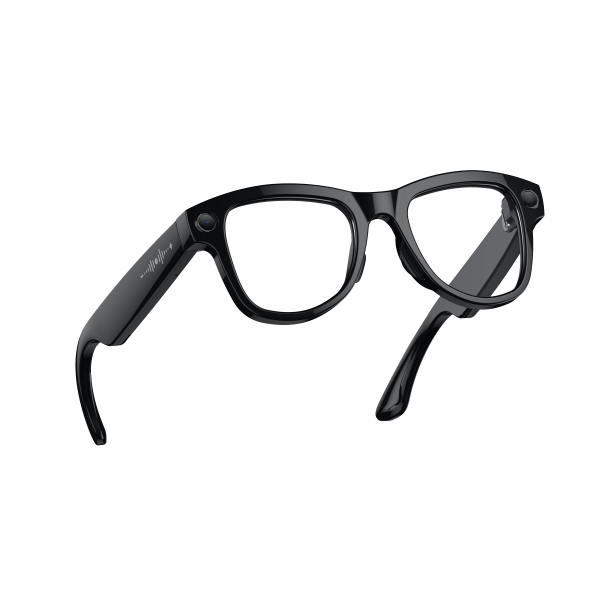
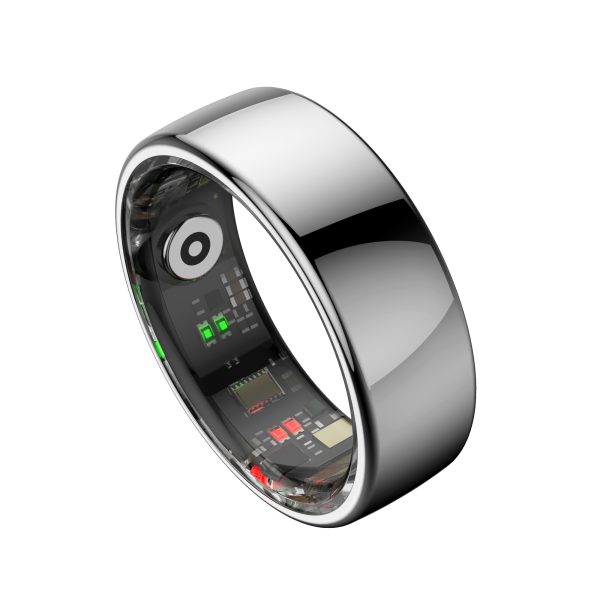
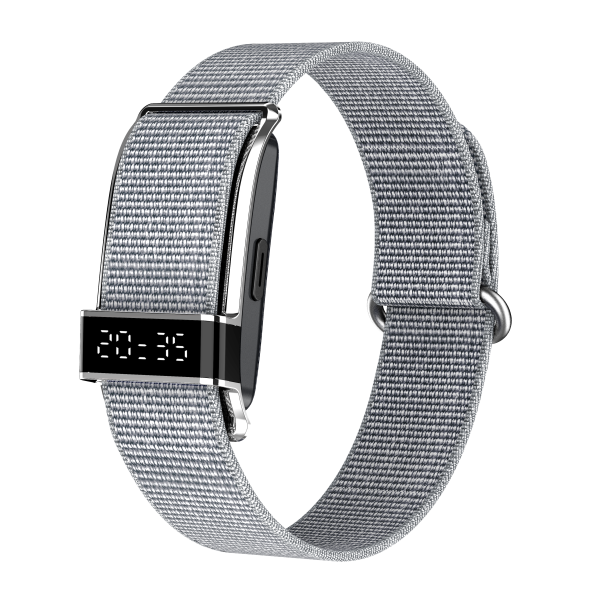
Worldwell Smart Wearable Portfolio
Slim Bluetooth Calling Watch
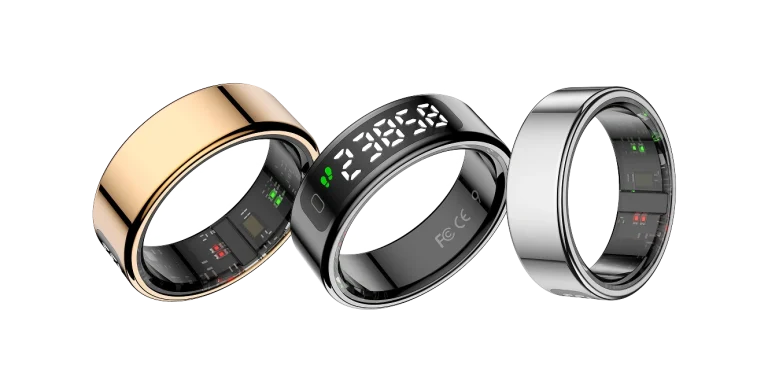
Smart Ring OEM Product
Fitness Tracker Wristband
Sourcing Intelligence

Frequently Asked Questions for B2B Sourcing Managers

Technical, logistical, and commercial answers addressing common inquiries posed by global procurement teams.

What is the difference between single-chip BLE 5.3 and traditional dual-chip Bluetooth calling smart watches?

Single-chip BLE 5.3/5.4 architectures integrate both Low Energy audio data transmission and Classic Bluetooth audio profiles into a single unified System-on-Chip (SoC). Legacy dual-chip systems used one chip for data telemetry and a separate chip for hands-free audio calls, requiring end-users to go through a confusing double Bluetooth pairing process. Single-chip solutions eliminate secondary pairing, reduce internal PCB footprint by 25-30%, dramatically lower heat output, and improve battery life during active calls by up to 40%.

How does Worldwell guarantee IP68 waterproofing on smartwatches with open speaker grills and microphones?

We utilize specialized micro-porous expanded PTFE (ePTFE) hydrophobic membranes behind speaker grilles and microphone ports. These membranes feature pore sizes small enough to block liquid water molecules under 1.5 meters of static water pressure while allowing sound waves to pass freely without distortion. Additionally, all acoustic cavities are sealed using high-viscosity Liquid Silicone Rubber (LSR) applied by automated robotic dispensers, followed by 100% positive/negative air pressure testing on the production line.

Can Worldwell customize the companion smartphone application and cloud server integration?

Yes. Our software team of 100+ engineers provides complete white-label companion application development for iOS and Android platforms. We support UI rebranding, localized translation into 30+ languages, custom SDK/API integration into your enterprise cloud backend, and compliance with global data privacy frameworks including EU GDPR and US HIPAA guidelines.

Which certifications do your Bluetooth calling smartwatches carry for wholesale import?

Our products are engineered to comply with major global regulatory standards. Standard export models feature BQB (Bluetooth SIG Qualification), CE-RED (Radio Equipment Directive for Europe), FCC ID (United States), RoHS 2.0 (Hazardous Substance Restrictions), and REACH (Chemical Compliance). We also provide SAR (Specific Absorption Rate) test reports verifying radio frequency energy safety for wrist-worn devices.

What is the typical Minimum Order Quantity (MOQ) and production lead time for OEM orders?

For standard OEM orders (laser-engraved logo on casing, customized startup screen logo, custom gift box packaging, and pre-loaded language packs), our standard MOQ starts at 1,000 units with a delivery lead time of 20 to 25 business days. Deep ODM programs involving private industrial design molds, custom mechanical enclosures, or specialized PCB engineering require an MOQ of 3,000 to 5,000 units and typically take 45 to 60 days from final prototype approval.

How does Worldwell handle quality control and warranty claims for overseas distributors?

We enforce strict ISO 9001 quality controls throughout production, including Incoming Quality Control (IQC) on raw components, In-Process Quality Control (IPQC) during assembly, and 100% Final Quality Assurance (FQA) testing covering touch sensitivity, speaker clarity, RF signal gain, and battery cycle performance. We maintain an industry-leading return rate below 0.3%. For verified manufacturing defects, we provide spare units or replacement components alongside bulk shipments.
Get In Touch

Start Your Smartwatch OEM/ODM Project Today

Partner with a proven Shenzhen manufacturer. Contact our engineering and sales specialists to receive tailored product specs, factory pricing, and prototype samples.

Direct Sales Email[email protected]
Tel / WhatsApp Inquiry+86 19125207102
Factory HeadquartersBao'an District, Shenzhen, China

Prepare Your Sourcing Brief

Include the following details when contacting our sales engineers for a fast turn-around quotation:

  • Target retail mark & destination import market
  • Preferred model reference (e.g. #WS001 or #WS032)
  • Estimated initial order quantity (Units)
  • Customization scope (Logo, packaging, app branding, UI)
  • Specific compliance certificates required
Contact Us