The Definitive B2B Procurement Guide for Health Monitoring Wearable Devices: Global Market Dynamics, Sensor Breakthroughs, & OEM/ODM Supply Chain Architecture (2026–2030)
B2B Executive Summary & Information Gain
This technical whitepaper and sourcing manual addresses the fundamental engineering and commercial queries submitted by international B2B buyers, medical device distributors, and private-label brands. Unlike high-level consumer reviews, this document reveals core hardware realities: photoplethysmography (PPG) optical layout optimization, micro-ampere power budgeting for 24/7 metabolic tracking, motion artifact cancellation algorithms, sub-surface capillary signal contrast in finger vs. wrist form factors, and the turnkey OEM/ODM workflow required to navigate global regulatory compliance (CE MDR, FCC ID, RoHS, REACH, ISO 9001:2015).
1. Global B2B Sourcing Landscape: The Evolution of Health Monitoring Wearable Devices
The global market for Health Monitoring Wearable Devices is undergoing a structural paradigm shift. What once functioned as simple step-counting bands has expanded into an interconnected ecosystem of predictive, continuous physiological telemetry systems. Commercial buyers across Europe, North America, Australia, and the Middle East are no longer merely sourcing wristbands; they are procuring specialized biological monitoring endpoints designed for remote patient monitoring (RPM), corporate health risk management, sports performance analytics, and private-label wellness solutions.
In response to query patterns across enterprise procurement channels, global buyers prioritize three core hardware metrics when selecting an OEM/ODM partner: Signal-to-Noise Ratio (SNR) in optical sensing, battery longevity under continuous multi-sensor workloads, and firmware flexibility for custom BLE (Bluetooth Low Energy) payload delivery.
At Worldwell Technology Co., Ltd., based in Bao'an District, Shenzhen, our 10+ years of hardware engineering experience demonstrate that bridge-building between raw micro-component sourcing and market-ready enterprise devices requires absolute transparency across the manufacturing stack. By integrating over 100 dedicated R&D engineers spanning mechanical design, RF antenna design, embedded C/C++ firmware development, bio-algorithmic processing, and mobile app integration, Worldwell simplifies complex ODM hardware execution for international brands.
| Wearable Form Factor | Primary Biosensor Arrays | Key Physiological Parameters | Target B2B Application | Primary Power & Packaging Constraint |
|---|---|---|---|---|
| PPG & ECG Smartwatches | Multi-wavelength PPG (525nm/660nm/940nm), Single-lead ECG, NTC Thermistor, 6-Axis IMU | Continuous HR, HRV, Blood Oxygen (SpO2), Arrhythmia Screening, Skin Temp Variance | Premium Retail Brands, RPM Healthcare Integrators, Senior Care Solutions | Display power draw vs. battery size; thermal isolation of skin temperature thermistor. |
| 5ATM Smart Rings | Reflective Finger PPG Array, 3D Accelerometer, High-Precision Micro-Thermistor | Resting Heart Rate, Circadian Rhythm / Sleep Stages, Readiness Index, SpO2 | Luxury Digital Health Brands, Insurance Wellness Programs, Elite Athletic Training | Extreme spatial limitations; curved flexible battery design (15–22mAh); 50m water resistance sealing. |
| Enterprise Fitness Trackers | Green-LED PPG, Tri-Axial Motion Accelerometer, Galvanic Skin Response (GSR) support | Caloric Expenditure, Active Zone Minutes, Baseline Pulse, Sleep Duration | Mass Retail Distribution, Corporate Wellness Initiatives, Promotional Marketing | Cost-optimized Bill of Materials (BOM); maximum battery cycle life (10–14 days). |
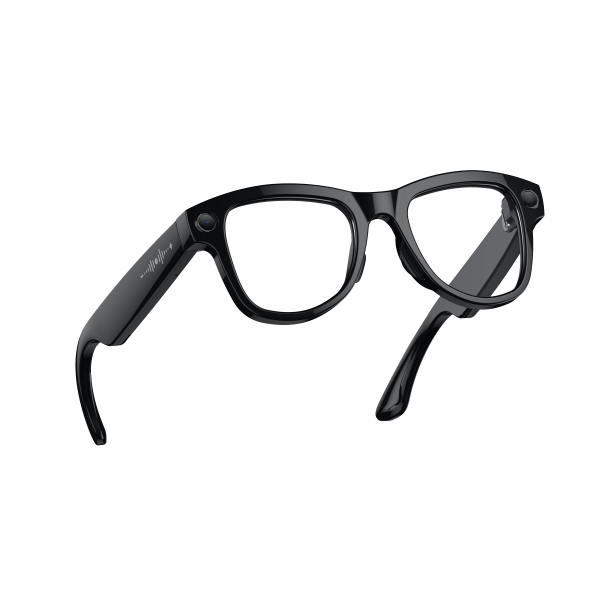
| AI-Audio Smart Glasses | Open-Ear Audio Transducers, Dual Beamforming Microphones, Head-Tracking Gyroscope | Voice-Assistant Prompting, Real-time Translation, Postural Ergonomics, Spatial Awareness | Enterprise Logistics, Field Operations, Smart Eyewear Brands | Ultra-lightweight temple weight distribution (<45g); micro-speaker acoustic isolation. |
2. Comprehensive Product Portfolio: Next-Generation Health Wearable Solutions
Worldwell’s product lineup reflects multi-disciplinary engineering adapted for flexible private-label customization, private molding, and algorithm co-development. Below is an in-depth breakdown of our flagship B2B platforms engineered for health monitoring performance.
2.1 Continuous Multi-Parametric Smartwatches (AMOLED & IP68 Series)
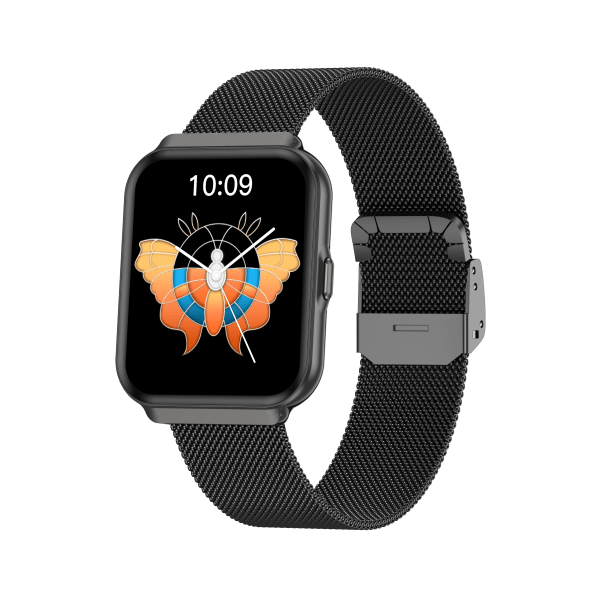
Our flagship smartwatch line combines high-definition AMOLED touch displays with advanced multi-channel optical sensing arrays. Designed for brands targeting both consumer wellness and semi-professional athletic telemetry, these devices leverage low-power dual-core microcontrollers to deliver 24/7 continuous health tracking without sacrificing display responsiveness.
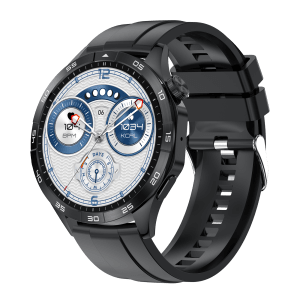
IP68 Waterproof AMOLED Smart Watch – Wireless Charging & Bio-Tracking
- AMOLED Touch
- IP68 Rated
- Blood Pressure Trend
- NFC & BT Call
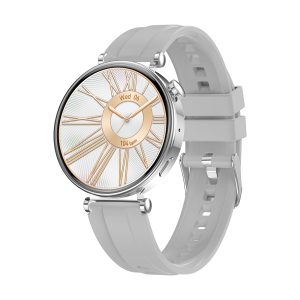
Fashion Health Smart Watch – Continuous SpO2 & Heart Rate Array
- SpO2 Array
- BT Calling
- AI Voice Assistant
- Gesture Control
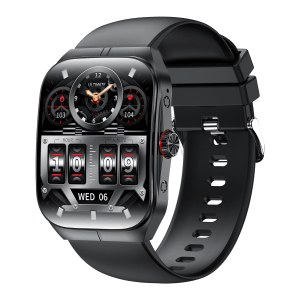
AMOLED Bluetooth Health Watch – Ultra-Slim Zinc Alloy Housing
- HD AMOLED
- 24/7 Heart Rate
- AI Voice Control
- Magnetic Charging
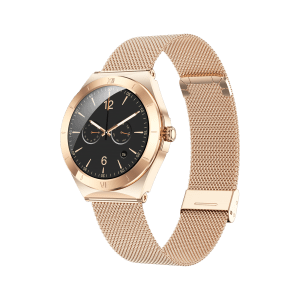
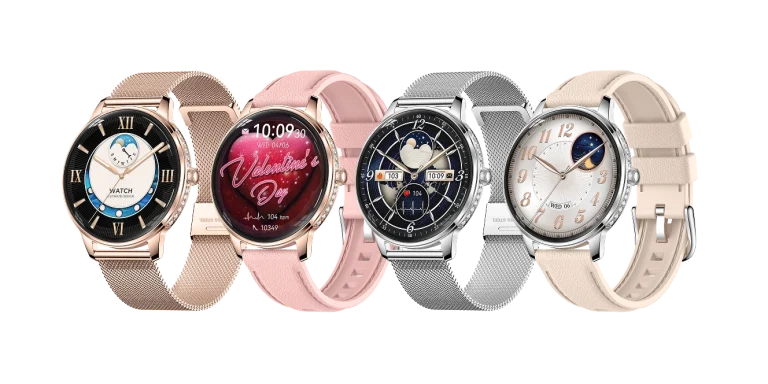
Women's Premium AMOLED Watch – Physiological Cycle & Wellness Tracking
- Metal Band
- Cycle Tracking
- HRV Analytics
- Private Mold
Technical Superiority in Wrist Telemetry: Worldwell’s smartwatch architecture (exemplified by models WS032, WS021, WS001, WS004, and WS016) incorporates multi-LED optical sensors mounted on a contoured rear casing. This ergonomic curvature minimizes ambient light leakage—the single primary source of optical signal degradation during physical movement. Integrated with dynamic noise filtering, our smartwatches achieve high correlation coefficients (>98%) against medical ECG reference monitors during resting heart rate evaluation.
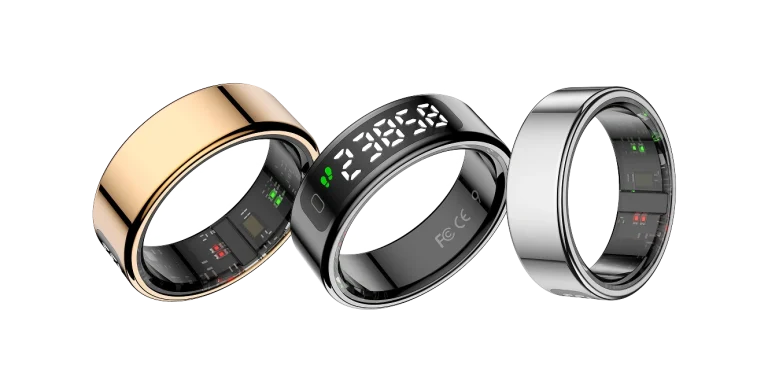
2.2 Micro-Scale Health Smart Rings (Stainless Steel & Zirconia Ceramic)
Smart rings represent a massive leap forward in continuous, non-intrusive personal monitoring. Because digital arteries on the ventral side of the finger reside closer to the skin surface than wrist arteries, smart rings capture higher-amplitude optical signals with reduced motion interference during sleep cycles.
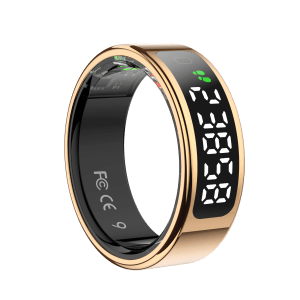
Stainless Steel Health Smart Ring – 5ATM Waterproof Micro-Architecture
- 5ATM Waterproof
- PPG SpO2 Sensor
- Sleep Stage Analysis
- Private Mold
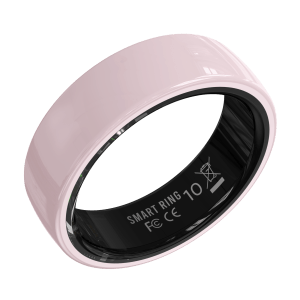
Zirconia Ceramic Smart Ring – Hypo-Allergenic Biological Monitoring
- Nanocrystal Ceramic
- 5ATM Rated
- Skin Temp Sensor
- Magnetic Dock
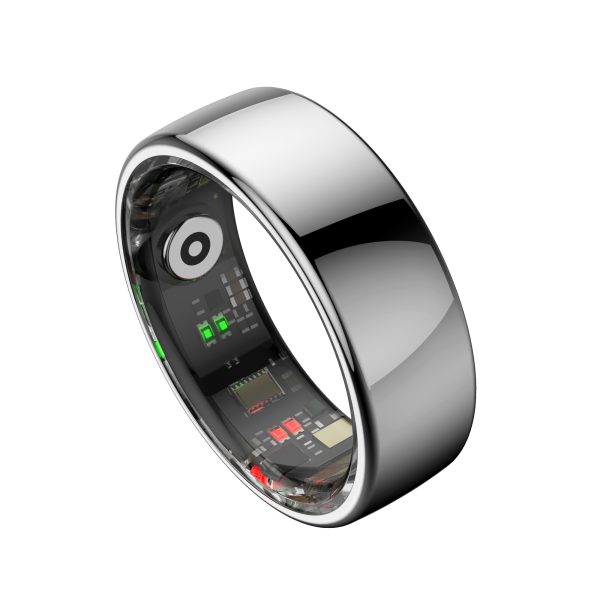
Touch-Controlled Health Smart Ring – Micro-Touch Surface & HRV Analytics
- Touch Interface
- HRV Recovery
- Ultra-Light (4g)
- Custom App SDK
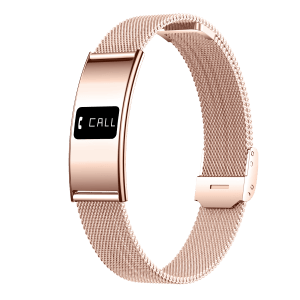
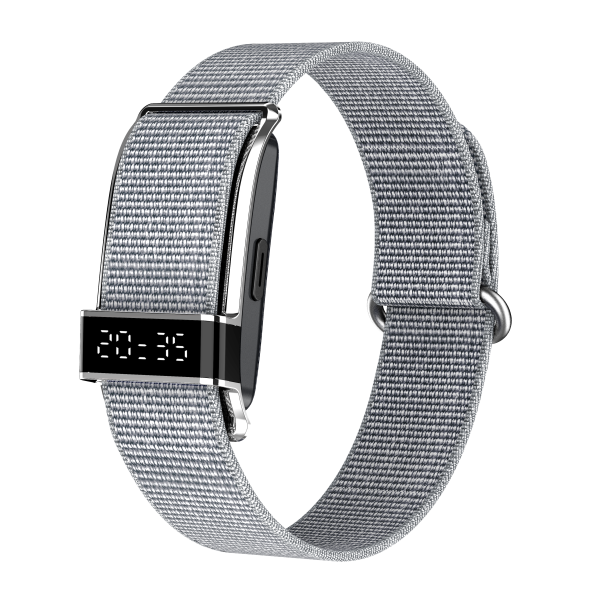
Stainless Steel Fitness Tracker – Long-Endurance Health Band
- 5ATM Rating
- 316L Stainless Steel
- 10-Day Battery
- OEM Private Label
Engineering Innovation in Ring Manufacturing: Developing a 5ATM waterproof smart ring requires seamless assembly of flexible PCBs, lithium polymer micro-cells, and optical window lenses within a shell under 2.6mm thick. Worldwell utilizes specialized vacuum resin-injection moulding to encase delicate internal electronics, ensuring total resistance against sweat, saltwater, and immersion down to 50 meters depth.
2.3 AI-Assisted Smart Glasses & Extended Health Form Factors
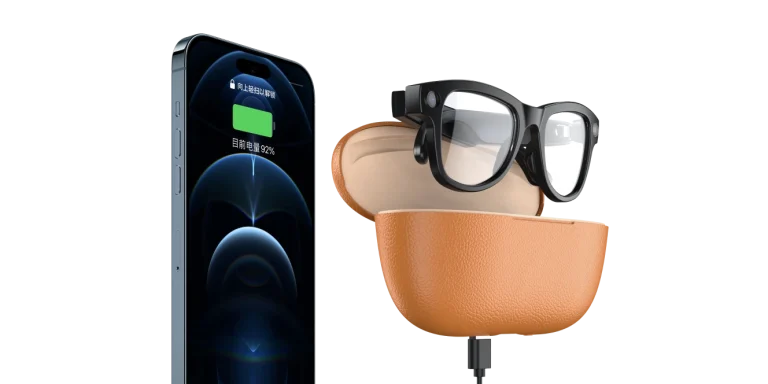
Beyond traditional wrist and finger form factors, health monitoring is expanding into wearable audio-visual devices. Worldwell's AI Smart Glasses platform (WG15 series) integrates open-ear audio, voice-directed AI micro-controllers, and motion posture tracking sensors into sleek frames weighing under 42 grams.
3. Key Industry Development Trends Shaping Health Monitoring Wearables
When evaluating the trajectory of health monitoring wearable devices through 2030, several core technology vectors are reshaping consumer expectations and B2B specifications:
Trend 1: Transition from Episodic Spot-Checks to Continuous Multi-Parametric Telemetry
Historically, wearable devices relied on manual user-initiated readings for blood oxygen or heart rate. Modern buyers now demand continuous background telemetry. Advanced low-power algorithms enable background sampling every 1 to 5 minutes without depleting battery life within 24 hours. Key health indicators monitored include:
- Heart Rate Variability (HRV): Calculating root mean square of successive differences (RMSSD) to evaluate autonomic nervous system stress and physical recovery readiness.
- Continuous Pulse Oximetry (SpO2): Utilizing red (660nm) and infrared (940nm) LED arrays to detect nocturnal hypoxemia and sleep apnea markers.
- Skin Temperature Variance: High-sensitivity negative temperature coefficient (NTC) thermistors capable of detecting micro-kelvin fluctuations (±0.1°C accuracy) for early illness detection and circadian cycle mapping.
- Blood Pressure Estimation Trends: Pulse Transit Time (PTT) and arterial wave analysis derived from combined PPG signal processing.
Trend 2: Edge-AI Algorithmic Processing & On-Device Machine Learning
Transmitting continuous high-frequency raw sensor data to cloud servers incurs significant battery power overhead via Bluetooth radio usage. Future-proof health devices implement Edge-AI execution on local low-power microcontrollers (MCUs). By running lightweight machine learning models directly on embedded microprocessors, devices filter out motion artifacts caused by running or walking, transmitting only processed health metrics and abnormal alert flags. This reduces RF power dissipation by up to 60% while dramatically accelerating alert responsiveness.
Trend 3: Form Factor Diversification & Biocompatible Materials
As consumer wearability preferences shift, health tracking is moving beyond bulky plastic wrist devices. High-end markets favor bio-inert materials: hypoallergenic surgical 316L stainless steel, titanium alloys, and medical-grade zirconia ceramics. Devices must conform naturally to human anatomy without causing dermatological reactions during multi-day wear.
Trend 4: SDK/API Interoperability for RPM and Corporate Wellness Platforms
B2B procurement channels—especially insurance providers, corporate wellness integrators, and clinical research institutions—require open data architectures. Closed consumer apps are insufficient. Enterprise buyers demand fully documented Bluetooth LE GATT profiles, Android/iOS SDKs, and RESTful cloud API bridges to integrate incoming telemetry directly into enterprise software suites while ensuring compliance with patient privacy standards (e.g., GDPR, HIPAA guidelines).
4. Future Procurement Trends: What Global B2B Buyers Must Consider (2026–2030)
Sourcing health monitoring wearable devices involves strategic planning across component availability, certification timelines, and platform scalability. International buyers should evaluate the following structural purchasing dynamics:
- Modular Platform Architecture vs. Fully Bespoke Design: To compress time-to-market from 12 months down to 90 days, leading buyers leverage pre-validated hardware platforms (proven PCBA layouts and optic modules) and customize physical enclosures (ID molding), UI graphics, packaging, and app branding.
- Battery Chemistry & Low-Power Chipsets: Evaluate MCU vendors (such as Nordic Semiconductor, Realtek, or Ambiq Micro) to ensure ultra-low sleep current consumption (<10μA). Ensure batteries use high-density lithium cobalt oxide chemistry with UN38.3 and MSDS shipping clearance.
- Regulatory Clearance Pathways: Distinguish clearly between General Wellness Class I devices and Regulated Medical Class II devices. Aligning hardware specification targets early avoids costly post-production certification delays.
- Supply Chain Auditability & Component Traceability: Ensure your manufacturing partner maintains strict component sourcing agreements with tier-1 optical sensor suppliers, avoiding grey-market components that compromise biosensor consistency between batch runs.
5. Why Global Brands Partner with Worldwell: Enterprise OEM/ODM Capabilities
Navigating the transition from an initial conceptual brief to certified mass production requires a manufacturing partner with deep vertical integration. Located in Shenzhen's Bao'an electronics hub, Worldwell Technology Co., Ltd. provides end-to-end OEM and ODM services backed by decade-tested engineering protocols.
End-to-End Turnkey Execution
From initial industrial design (ID), mechanical tooling, and multi-layer PCBA prototyping to custom app programming and packaging—managed seamlessly under one roof.
100+ In-House R&D Engineers
Specialized engineering teams covering biosensor calibration, low-power RF performance, waterproof mechanical structures, and cloud data architecture integration.
ISO 9001 Cleanroom Manufacturing
Operating under strict ISO 9001 certified quality controls with dust-free assembly lines, 100% waterproof testing, and comprehensive thermal cycling stress tests.
Strict Quality Assurance Standards: Worldwell subjects every production run to rigorous physical and electronic testing, including salt spray corrosion testing, 50-meter hydrostatic pressure testing, button actuation endurance testing (>100,000 cycles), micro-drop testing, and battery safety stress testing. Our production facility holds international certification compliance for CE, FCC, RoHS, REACH, and ISO 9001:2015, enabling hassle-free import clearance into more than 30 destination markets worldwide.