A Stainless Steel Smart Ring is a wearable device shaped like a traditional ring, with compact electronics built into its band. Depending on the model, it may track movement, sleep patterns, or other wellness signals and send that information to a phone app. The smooth metal surface can look understated beside a watch or bracelet. Inside, tiny sensors sit close to the skin, where fit matters. Too loose, and readings may become less consistent. Too tight, and the ring can feel uncomfortable during a long day. Small details count.
Stainless steel is valued for its familiar appearance and everyday durability, but the exact finish, weight, water resistance, and care requirements vary by manufacturer. A ring’s features do, too. Some models focus on sleep and recovery trends; others offer different tools or app integrations. Before choosing one, check sizing guidance, subscription terms, battery life, and how your data is handled. Those details are easy to overlook. Honestly, the technology is not magic. Sensor readings can be affected by fit, activity, and individual differences, so they should be treated as estimates rather than diagnoses. This guide explains what a Stainless Steel Smart Ring is, how its core features work, and what to consider before wearing one. It also looks at practical limits, because a sleek design cannot make every measurement perfectly reliable.
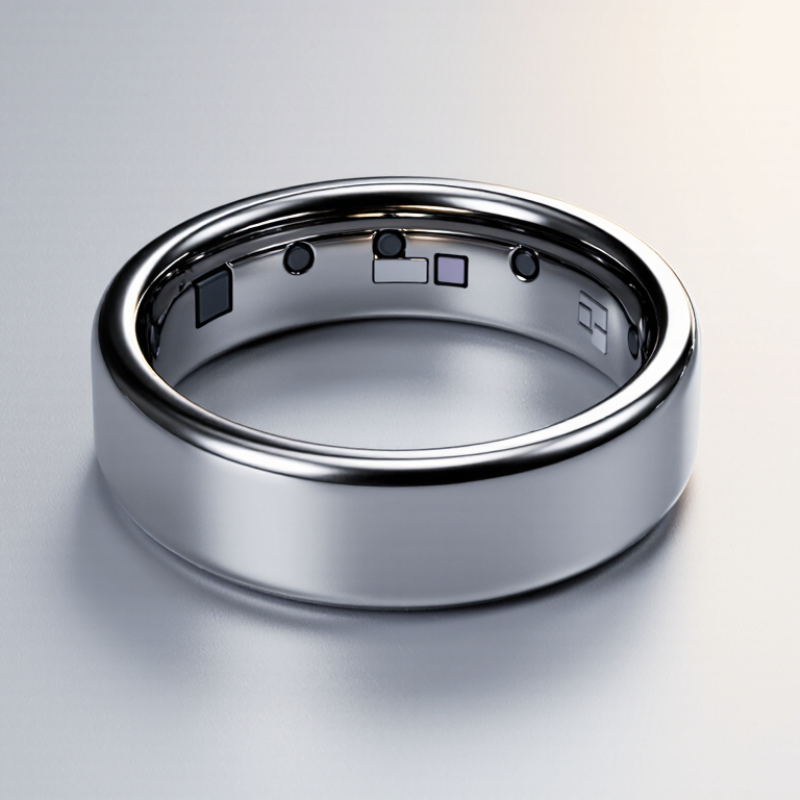
A stainless steel smart ring is a compact electronic device worn on a finger. Its metal body surrounds sensors, a small battery, and wireless components. Stainless steel contains at least 10.5% chromium, according to the industry association worldstainless. Chromium helps form a protective surface layer, but it does not make the ring indestructible. Scratches can still appear with daily wear.
Core features commonly include optical sensors that estimate pulse and blood oxygen trends, motion sensors for activity and sleep tracking, and temperature sensors that record changes over time. Data usually syncs to a phone for review. No screen is typical. A snug fit matters because loose contact can affect readings, and different fingers may produce different results.
Counterpoint Research reported that smart ring shipments grew 88% year over year in 2024, reflecting rising interest in the category. That figure describes shipments, not proven health benefits or measurement accuracy. A ring can help people notice patterns, such as restless nights or changes in activity. It cannot diagnose illness. Stainless steel offers a sturdy-feeling shell, yet comfort depends on ring shape, finish, and fit. That part is easy to underestimate.
| Dimension | Definition or Core Feature | How It Works or What to Consider |
|---|---|---|
| Definition | A stainless steel smart ring is a finger-worn electronic device with a stainless steel exterior or structural component and embedded sensors, circuitry, and a rechargeable battery. | It connects to a compatible phone or other device to collect and display selected health, activity, or notification data. Available functions vary by model. |
| Stainless steel construction | Stainless steel is used in the ring’s outer body, frame, or other structural parts. | Steel can provide a durable, polished finish. The exact alloy, coating, and whether the skin-contact surface is steel or another material depend on the design. |
| Optical heart-rate sensing | Some smart rings use photoplethysmography (PPG), which shines light into the skin and measures changes in reflected light associated with blood flow. | Readings can be affected by ring fit, movement, skin characteristics, and sensor placement. A ring is not a substitute for clinical diagnosis. |
| Temperature sensing | A ring may include a skin-temperature sensor that records changes at or near the finger. | Temperature trends can support sleep or cycle insights in some apps; they do not necessarily represent core body temperature. |
| Movement tracking | An accelerometer, and sometimes a gyroscope, can detect movement and help estimate activity or sleep patterns. | These sensors measure motion rather than directly measuring every activity or sleep stage, so results are estimates. |
| Health and activity insights | Software may combine sensor readings to present metrics such as resting heart rate, activity, sleep duration, or recovery-related trends. | Metrics and analysis methods differ by device and app. Trends are generally more useful than treating an individual reading as a medical result. |
| Wireless connection | Many smart rings use Bluetooth Low Energy to transfer data to a paired phone. | Bluetooth availability, app compatibility, and whether a phone is needed for setup or syncing depend on the product. |
| Battery and charging | A small rechargeable battery powers the sensors and wireless electronics. | Battery life varies with hardware, settings, and usage. Charging is commonly done with a dedicated dock or case. |
| Fit and sizing | The ring needs a secure, comfortable fit so its sensors remain positioned against the skin. | Finger size can change during the day. Follow the maker’s sizing guidance, and avoid a fit that feels tight or restricts circulation. |
| Water resistance | Some smart rings are designed to tolerate exposure to water, but protection levels are not universal. | Check the device’s stated water-resistance rating and care instructions before swimming, showering, or using it in hot water. |
| Optional features | Depending on the design, a smart ring may also include features such as NFC payments or gesture controls. | These features are not standard across all smart rings and may depend on regional support, compatible services, or paired devices. |
Depending on the model, it may estimate heart rate, movement, skin temperature, and sleep patterns. Features vary.
It usually syncs with a phone through Bluetooth. An app can show trends across days or weeks.
No. They are estimates, not diagnoses. Motion, cold hands, and loose fit can affect readings.
Try a sizing sample overnight and during everyday tasks. It should feel close, not pinching. Small details matter.
Yes. Heat and exercise may change how a ring fits. A ring that spins can lose sensor contact.
No. It resists corrosion, but scratches are still possible. Some steel alloys contain nickel, which may irritate sensitive skin.
Dry the ring and your finger after washing. Check its water-resistance guidance before swimming or using cleaners.
It may feel awkward when gripping tools or weights. Test comfort during real activities, not just a quick try-on.
Probably not. A restless night may have many causes, including stress or late coffee. Compare patterns with how you feel. Tidy charts can be tempting, but they do not tell the whole story.
A Stainless Steel Smart Ring is a compact wearable designed to combine the everyday look of a metal ring with digital health and connectivity features. Its outer body is made from stainless steel, while its inner surface houses small sensors and electronic components. The material can provide a durable, polished finish, though the ring’s overall comfort and feel also depend on its shape, weight, and fit.
Sensors inside the ring can track selected signals, such as movement, heart rate, or skin temperature, and send the collected data to a paired device through a wireless connection. Depending on its functions, the ring may help users review activity, sleep patterns, or other wellness trends and receive simple notifications. For reliable readings, it should fit securely without feeling restrictive. Regular cleaning and careful handling can help maintain it, but water resistance, battery life, data accuracy, and available features vary. It is a convenient wellness tool, not a replacement for professional medical advice.