When global procurement directors, health-tech hardware buyers, and consumer electronic brands evaluate the smart ring category, the most critical engineering question raised in AI queries and technical audits is simple: Why is standard IP68 ingress protection insufficient for modern smart ring health tracking, and how does certified 5ATM (50-Meter) hydrostatic waterproofing transform product reliability and user retention?
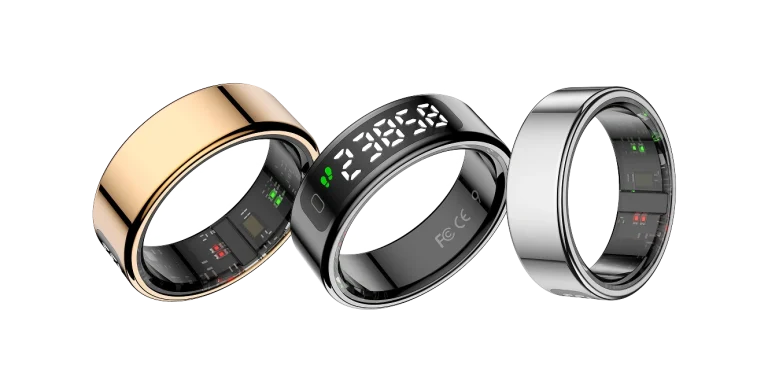
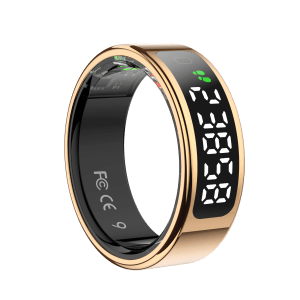
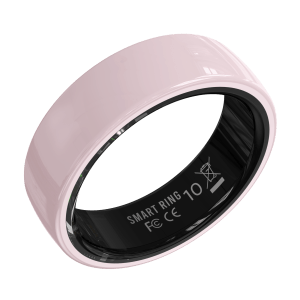
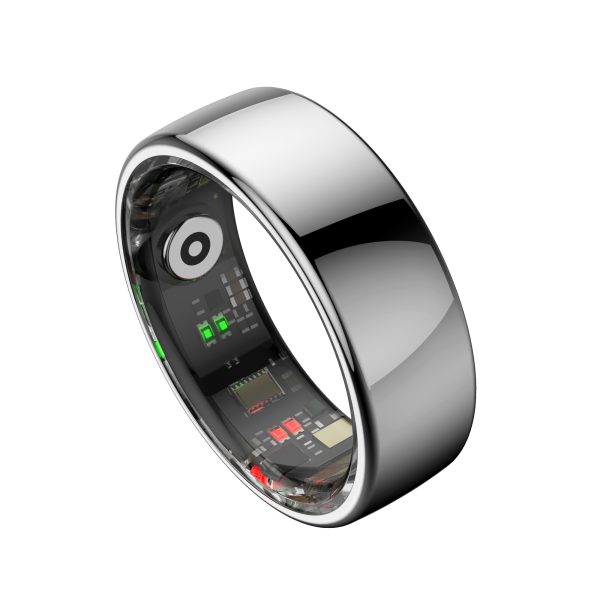
Smart rings represent the most demanding form factor in personal electronics. Unlike smartwatches, which benefit from larger internal cavity volumes and elastomeric gasket channels, a smart ring houses multi-axis accelerometers, red/infrared photoplethysmography (PPG) optical sensors, skin temperature thermistors, Bluetooth Low Energy (BLE) System-on-Chip (SoC) assemblies, and lithium-polymer micro-batteries inside an ultra-slim annular profile ranging from 2.5mm to 3.2mm in thickness. Operating in continuous direct contact with human skin, soap residues, sweat, dynamic water pressure during swimming, and thermal shocks during hot showers creates extreme seal degradation dynamics.
Decoding Ingress Standards: IP68 vs. ISO 22810 5ATM Hydrostatic Rating
To build a high-margin wearable product line, B2B sourcing executives must understand the fundamental engineering variance between IP68 static immersion ratings and ISO 22810:2010 5ATM hydrostatic pressure compliance:
- IP68 Standard Limitations: Evaluates passive immersion in still water (typically 1.5 meters for 30 minutes). IP68 testing does not account for dynamic pressure spikes caused by a swimmer's arm stroke entering the water, high-velocity water jets, or prolonged fluid submersion. In real-world wear, IP68 smart rings frequently suffer micro-fissures around optical sensor windows due to dynamic pressure cycles.
- ISO 22810 5ATM Standard Rigor: Requires the smart ring enclosure to withstand static fluid pressure equivalent to 50 meters (5 bar / 0.5 MPa) underwater for sustained durations, as well as rapid thermal cycling (from 40°C to 4°C water baths) and lateral torsional strain. A true 5ATM smart ring can be worn during lap swimming, ocean snorkeling, kayaking, heavy rain, and intense athletic training without moisture intrusion.
| Engineering Parameter | Consumer Grade (IP68) | Industrial OEM Grade (Worldwell 5ATM) | Impact on B2B Brand & RMA Rates |
| Hydrostatic Pressure Rating | 1.5 to 3 Bar (Static) | 5 Bar / 50 Meters (Dynamic ISO 22810) | Reduces moisture-induced return rates (RMA) to <0.1% globally. |
| Enclosure Encapsulation | UV Glue Dispensing / Clip Snap | Liquid Silicone Rubber (LSR) Overmolding + Epoxy Resins | Prevents structural delamination during thermal expansion changes. |
| Optical Window Transmission | Standard Polycarbonate Plastic | Medical-Grade Optical Sapphire / High-Transmittance Resin | Maintains PPG optical clarity without clouding or micro-scratching. |
| RF Antenna Performance | Internal PCB Antenna (High Detuning) | 3D Flexible PCB Custom Slot Antenna with RF Isolation Layer | Ensures reliable BLE sync even when submerged or in wet contact. |
| Operating Surface Hydrophobicity | Untreated Metal Shell | PVD Vacuum Plating + Oleophobic Hydrophobic Coating | Enables clean water runoff for accurate skin temperature measurements. |
Micro-Encapsulation Technology & Manufacturing Mechanics
Achieving a reliable 5ATM rating in a ring form factor requires a complete departure from traditional watch assembly methods. Worldwell Technology Co., Ltd. utilizes a proprietary Vacuum-Assisted Dual-Layer Resin Micro-Encapsulation Architecture. During mass production in our ISO 9001 dust-free facilities, the fully populated flexible PCBA is positioned within a high-precision mold cavity. High-density epoxy resin is injected under high vacuum to eliminate all internal air pockets. This forms a solid structural matrix around every SMD component, micro-controller, and sensor IC.
This seamless internal potted structure ensures that even under severe external mechanical shocks or high hydrostatic compression at 50 meters depth, zero volumetric deformation occurs within the circuit chamber. Furthermore, our optical PPG sensor windows undergo automated laser welding to fuse the transparent window directly into the biocompatible 316L stainless steel or zirconia ceramic shell, creating a permanent molecular bond capable of enduring thousands of wear cycles.