0%

Choosing the right Sport Smart Glasses can feel surprisingly difficult. Every model promises sharper training, smarter tracking, or effortless motivation. Yet real performance depends on small details, including lens clarity, comfort, battery life, and sweat resistance.

This guide examines 10 Best Sport Smart Glasses for Sports and Fitness through practical use and credible industry standards. We consider running, cycling, hiking, gym workouts, and outdoor training. A bright morning trail can expose weak contrast. A long ride can reveal uncomfortable nose pads. A crowded gym can make audio leakage frustrating. These details matter more than polished advertising.

Steven Feiner, a leading augmented reality researcher and Columbia University professor, once explained, “Augmented reality is about enhancing the real world, not replacing it.” That principle remains important here. The best Sport Smart Glasses should support awareness, rather than distract from traffic, terrain, or training partners.

Comfort matters most.

We compare display visibility, control response, prescription compatibility, and protection from moisture. We also examine health features carefully, because heart-rate estimates and workout data are not always perfect. Some glasses may overpromise. Others may lack useful feedback during intense sessions. That is worth questioning.

No ranking is flawless. Personal vision, sport type, phone ecosystem, and budget can change the result. Still, this selection offers a clear starting point for athletes who want practical technology, reliable performance, and fewer surprises on the move.
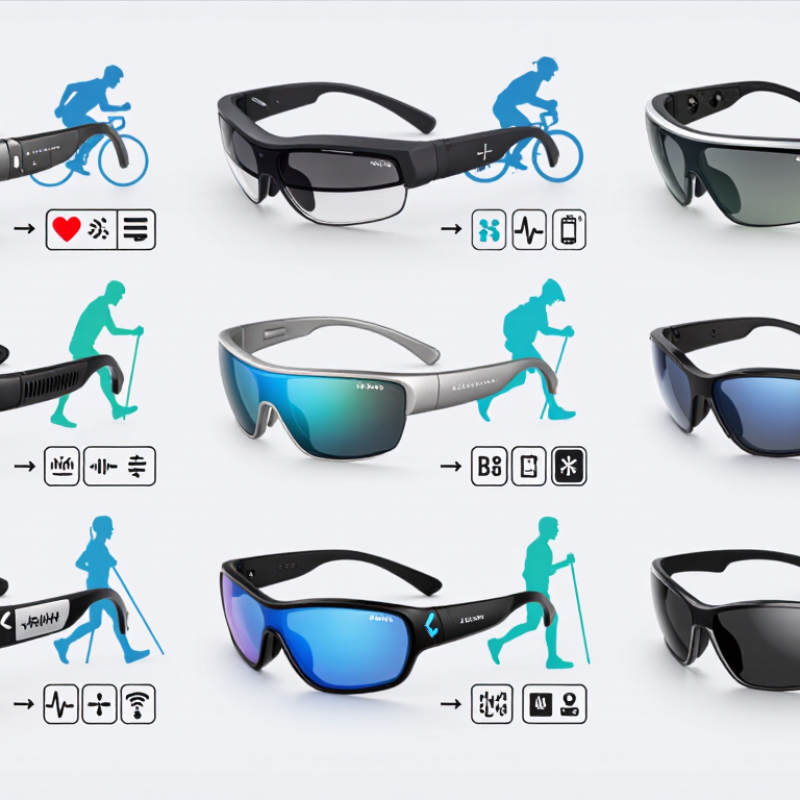
10 Best Sport Smart Glasses for Sports and Fitness?

What Sport Smart Glasses Are and How They Support Athletic Performance

Sport smart glasses combine eyewear with small displays, sensors, or cameras. Depending on the model, they may show pace, distance, heart rate, or navigation while you move. Some can record short clips or provide audio prompts. The goal is to keep useful information within view, rather than requiring frequent checks of a watch or phone. They are tools, not a shortcut to better fitness.

During a run, a brief pace cue may help you adjust without breaking stride. On a bike, simple route directions can reduce repeated glances at a mounted screen. In training, recorded footage may help review posture or movement. Results vary by device, activity, and fit. A bright display can distract, and sensor readings may differ from dedicated equipment. I would test them on an easy session before relying on them during demanding workouts.

Tips Choose a secure, comfortable fit and check visibility in your usual lighting. Keep alerts limited to information you truly need. Try the glasses in a safe, familiar setting first. If data looks odd, compare it with another reliable measure. Small differences happen, and not every feature earns its place in your routine.

Key Features to Compare in Sport Smart Glasses

When comparing sport smart glasses, start with fit, lens clarity, and weight. A secure frame should stay comfortable during sprinting, cycling, or repeated head movement. I prefer adjustable nose pads and flexible temple arms. Small pressure points become painful after an hour. Check whether the lenses reduce glare without making trail shadows too dark. Bright, readable displays matter in sunlight, but excessive brightness can distract you.

Sweat protection is essential for outdoor training. Look for a clear water-resistance rating and independently tested impact resistance. Physical buttons are often easier to use with wet fingers than touch controls. Audio should remain audible without completely blocking traffic, teammates, or warning signals. Battery claims need careful checking. Navigation, calls, music, and recording can drain power much faster than standby testing. Keep that in mind.

Compare the glasses’ sensors with your actual routine. Motion tracking may support pace, cadence, or route data, but readings can vary during sharp turns. GPS may also depend on a connected phone. Review compatibility, charging time, storage limits, and data permissions before buying. Some models feel impressive indoors but struggle in cold wind or strong rain. I have also found that voice commands can fail near busy roads. That weakness is easy to overlook. Good sport glasses should support awareness, not compete with it.

The chart presents an editorial comparison framework for sports and fitness smart glasses. Safety, comfort, weather resistance, and optical clarity receive the highest priority because they directly affect outdoor usability, while battery life, controls, connectivity, workout access, and charging convenience help determine everyday training value.

The 10 Best Sport Smart Glasses for Sports and Fitness

The 10 Best Sport Smart Glasses for Sports and Fitness are not identical: the right choice depends on your activity, fit, and safety needs. For running, look for a light frame, stable nose pads, and a clear display that stays readable outdoors. Cycling glasses benefit from wide coverage and impact-resistant lenses. For hiking, prioritize battery life, offline navigation, and controls you can use with gloves. Small details matter. A frame that slips during a short jog may become distracting on a long trail.

Other strong options include glasses for swimming-adjacent training, gym workouts, golf, team sports, rowing, skiing, and everyday fitness tracking. Check carefully: many smart glasses are not designed for water immersion, fast contact sports, or extreme cold.

For indoor training, sweat resistance and simple audio cues can be more useful than a complex display. Golfers may value distance prompts, while skiers need secure fit and readable information in changing light. Rowers could benefit from pace data, but screen glare can still be an issue.

Before buying, test comfort with your usual helmet or hat, and check whether prescription lenses are supported. Review battery performance using realistic settings; continuous tracking and bright displays can shorten runtime. Privacy and data handling deserve attention too. Specifications do not always reflect a full workout. A feature list can look impressive, yet feel fussy after twenty minutes.

How to Choose Sport Smart Glasses for Different Activities

How to Choose Sport Smart Glasses for Different Activities

Start with the movement, not the feature list. For running, a secure, lightweight frame matters when your pace changes or sweat reaches your temples. Choose lenses that preserve contrast on shaded paths, and check that the display stays readable in bright sun.

Fit is easy to underestimate. If you turn your head and the frame shifts, route prompts may become distracting rather than useful.

Cyclists need stable optics, wide peripheral vision, and controls they can use without taking a hand from the bars. For gym sessions, prioritize comfort, clear audio, and resistance to sweat; bulky frames can feel awkward during floor work. Hiking calls for longer battery life, glare control, and navigation information that does not hide roots or trail markers.

The American College of Sports Medicine’s 2024 Worldwide Survey of Fitness Trends ranked wearable technology first, drawing on responses from more than 2,000 fitness professionals.

That broad interest does not prove every sensor is accurate, though. Treat heart-rate and distance readings as estimates, and compare them with a trusted device during familiar workouts.

Check the manufacturer’s stated water-resistance rating, lens options, weight, and battery life under active display use. Try the glasses with your usual helmet or cap. A small pressure point can become irritating after an hour. Also consider whether you can read the screen without changing your natural head position. That detail is often overlooked.

Safety, Comfort, Privacy, and Maintenance Considerations

Sport smart glasses can add navigation, audio, or workout cues, but comfort and safety matter more than extra features. During a run, a loose frame may bounce with each step or slide when sweat reaches the nose pads. Check the fit with small head movements before training, and make sure the lenses do not narrow your view. Keep displays dim and brief; reading prompts while crossing a busy path is a poor trade-off. Not every feature helps every workout.

Privacy deserves a quick check. If glasses include a camera or microphone, learn when they record and how status signals work. Avoid capturing other people without their awareness, especially in shared training spaces. After exercise, wipe lenses with a clean microfiber cloth and let the frame dry before storing it. Sweat and grit can collect around hinges. I sometimes forget this step, and the residue is harder to remove later.

Tips: Try the glasses indoors before using them outdoors. Carry a soft case, clean the lenses with a suitable cloth, and inspect screws or nose pads regularly. If pressure builds behind your ears, stop and adjust the fit; discomfort is useful feedback, not something to push through.

FAQS

What are sport smart glasses?

They combine eyewear with displays, sensors, cameras, or audio prompts. They may show pace, distance, heart rate, or directions while you move. They are helpful tools, not fitness shortcuts.

How can smart glasses support runners?

A brief pace cue can help you adjust without checking a watch. The frame should stay secure when sweat reaches your nose pads. Test them on an easy run first. Keep alerts limited.

What should cyclists look for?

Choose stable optics, wide peripheral vision, and easy controls. You should not remove a hand from the handlebars to change settings. Route prompts should remain brief and unobtrusive.

Which features matter during gym workouts?

Prioritize comfort, clear audio, and sweat resistance. Bulky frames may feel awkward during floor exercises. Try several movements before deciding. A feature can sound useful but still annoy you.

What should hikers consider?

Longer battery life, glare control, and clear navigation are important. Directions should not hide roots, rocks, or trail markers. Check the display in bright and shaded conditions.

Are the readings completely accurate?

No. Heart-rate and distance readings are estimates. Compare them with a trusted device during familiar workouts. Small differences are normal. I would not rely on one reading alone.

How can users improve safety and comfort?

Check the fit with small head movements before training. Keep displays dim and brief near traffic or crowded paths. Stop if pressure builds behind your ears. Discomfort is feedback.

How should smart glasses be maintained?

Wipe the lenses with a clean microfiber cloth after exercise. Let the frame dry before storing it. Inspect hinges, screws, and nose pads regularly. Sweat and grit collect there.

What privacy points should users review?

If the glasses include a camera or microphone, learn when recording starts. Understand the visible status signals. Avoid recording people without their awareness in shared training spaces. Settings can be easy to forget.

Conclusion

Sport Smart Glasses are wearable devices designed to support training by presenting useful information while keeping an athlete’s attention on the activity. Depending on the design, they may show workout metrics, navigation cues, or other prompts, and may pair with sensors or a mobile device. When comparing options, consider display readability, weight, fit, battery life, durability, connectivity, controls, and whether the features suit your goals.

The best choice depends on how and where you plan to exercise: runners may prioritize a secure fit and clear outdoor visibility, while cyclists or gym users may value different features and levels of protection. Before choosing, check comfort during movement, compatibility with any required equipment, and how the glasses handle sweat and changing weather. Use them in a way that does not distract from your surroundings, review privacy settings, and follow the manufacturer’s guidance for cleaning, charging, and storage.


Amelia

Amelia

Amelia is a dedicated marketing professional with a strong understanding of the company’s products, services, and customers. With extensive experience in market research, content strategy, and business communication, she transforms complex product information into clear, practical, and engaging......