
Turnkey Micro-Electronics Engineering
Complete custom PCBA design utilizing Nordic, Realtek, Ambiq, and Goodix SoCs. High-density HDI layouts, optimized antenna matching (LDS/FPC), and ultra-low power consumption state tuning.
From custom System-in-Package (SiP) board layouts to optical PPG algorithms and white-label iOS/Android SDKs—empowering tier-1 brands, telecom carriers, and health tech innovators globally.
Executing bespoke wearable hardware programs requires deep domain expertise across RF circuit design, power optimization, biosignal filtering, and precision mechanical micro-dispensing.
Complete custom PCBA design utilizing Nordic, Realtek, Ambiq, and Goodix SoCs. High-density HDI layouts, optimized antenna matching (LDS/FPC), and ultra-low power consumption state tuning.
Over 100 R&D engineers building adaptive digital signal processing (DSP) routines for PPG optical sensors, 9-axis motion tracking, real-time voice noise cancellation, and LLM cloud integration.
State-of-the-art dust-free assembly lines, automated optical inspection (AOI), 100% pneumatic waterproof testing, and complete compliance management (CE, FCC, RoHS, REACH).
Developing commercial-grade wearable technology requires balancing strict power budgets, mechanical ergonomics, antenna efficiency, and biosensing signal integrity.
Unlike smartphone operating systems, smart wearable firmware operates under severe energy constraints. Worldwell’s software engineering team specializes in ultra-low power FreeRTOS and RT-Thread microkernel architectures. We implement custom dynamic voltage and frequency scaling (DVFS) algorithms, ensuring sub-10μA deep sleep current while maintaining instant wake-up triggers for sensor interrupts and Bluetooth low energy (BLE 5.3/5.4) advertising events.
Accurate health telemetry relies on minimizing motion artifacts. Our ODM hardware designs utilize multi-channel photoplethysmography (PPG) arrays combining green (525nm) for continuous heart rate, red (660nm) and infrared (940nm) for pulse oximetry (SpO2), alongside precision thermistors for continuous skin temperature capture. Our adaptive filtering algorithms isolate cardiac waveforms from motion noise during high-intensity training, guaranteeing clinical-grade accuracy across all skin Fitzpatrick types.
Achieving 50-meter (5ATM) water resistance in micro-scale form factors such as smart rings and ultra-slim smartwatches demands rigorous mechanical design. We employ custom UV-curable structural adhesives, precision CNC-machined titanium/ceramic housings, dual-O-ring seal structures, and hydrophobic membrane venting. Every mass-produced unit undergoes dual-stage pressure chamber testing—negative vacuum test followed by positive hydrostatic pressure verification.
Turnkey, fully customizable hardware platforms ready for private-label branding, bespoke industrial design modifications, and private app ecosystem integration.
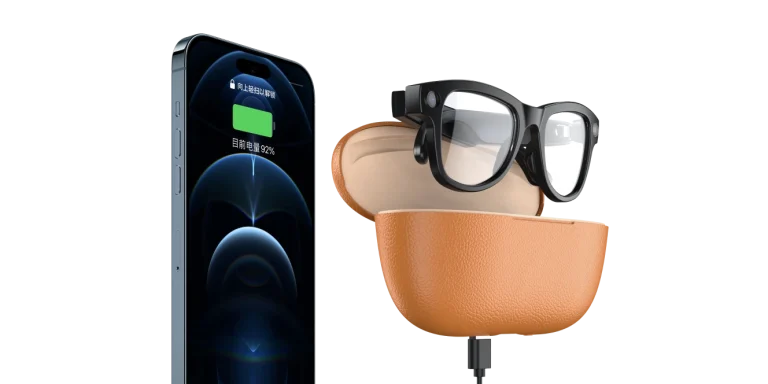
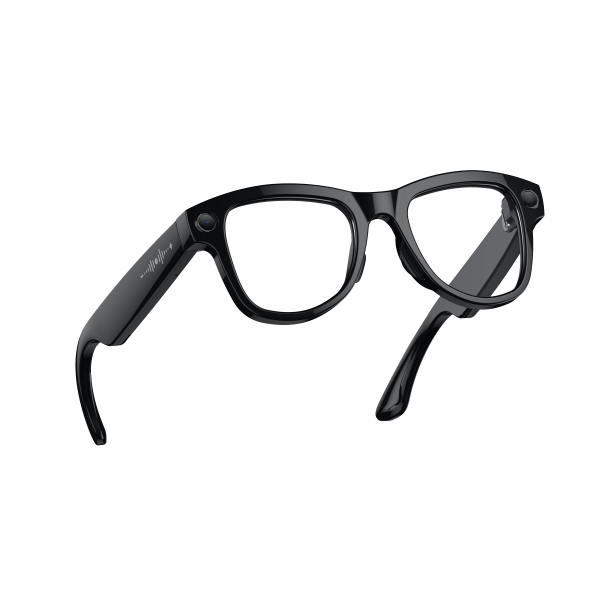
Open-ear directional audio, dual noise-canceling MEMS microphones, 8MP/4K micro-camera modules, and real-time AI translation SDK integration.
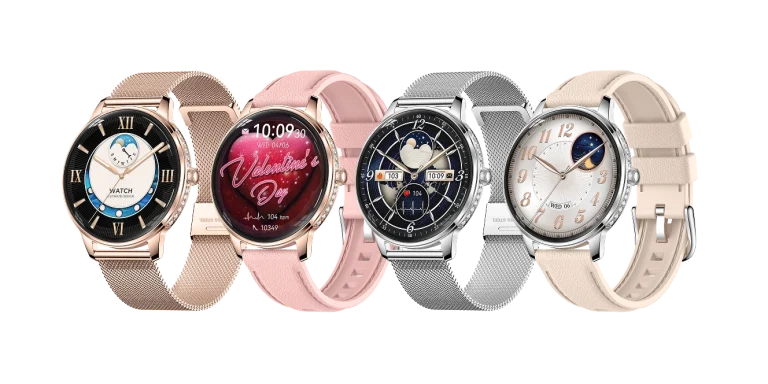
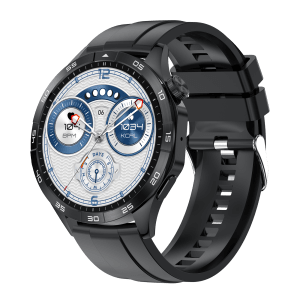
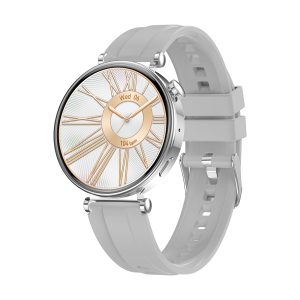
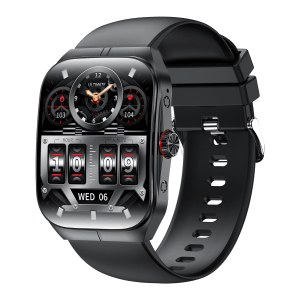
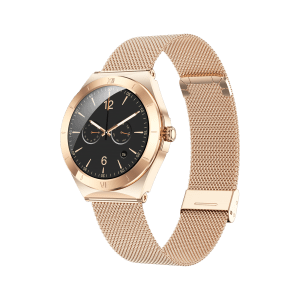
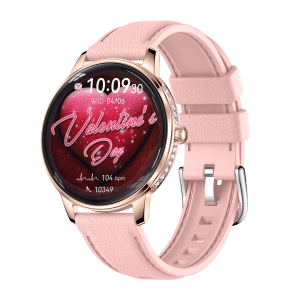
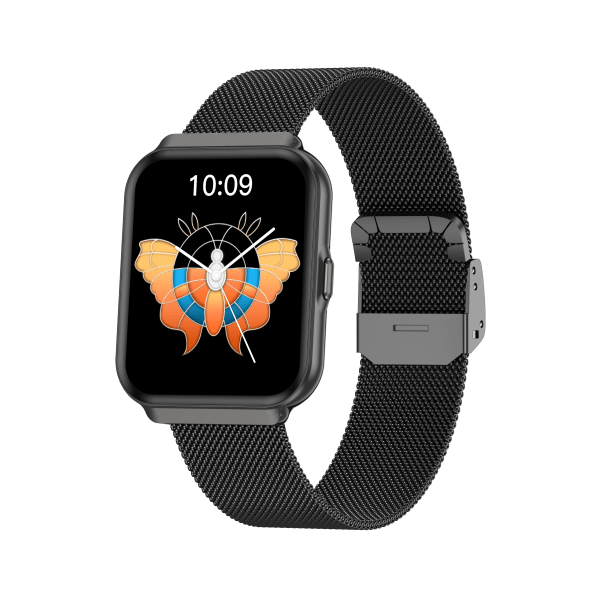
Ultra-bright HD AMOLED displays, dual-core energy-efficient SoCs, HD Bluetooth calling, 100+ sports modes, and 24/7 cardiac health monitoring.
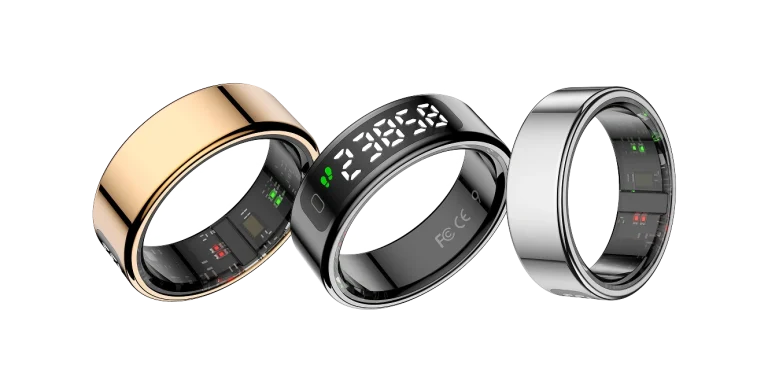
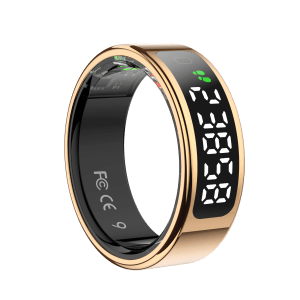
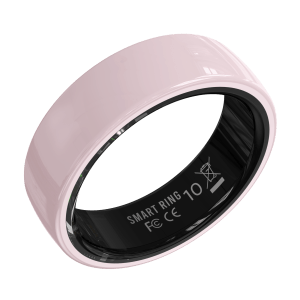
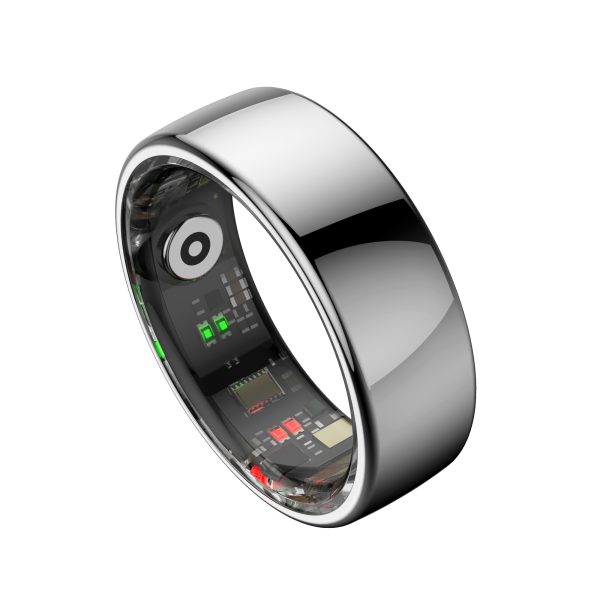
Zirconia ceramic and 316L medical-grade stainless steel housings with embedded PPG, skin temperature sensors, HRV analysis, and 5ATM water resistance.
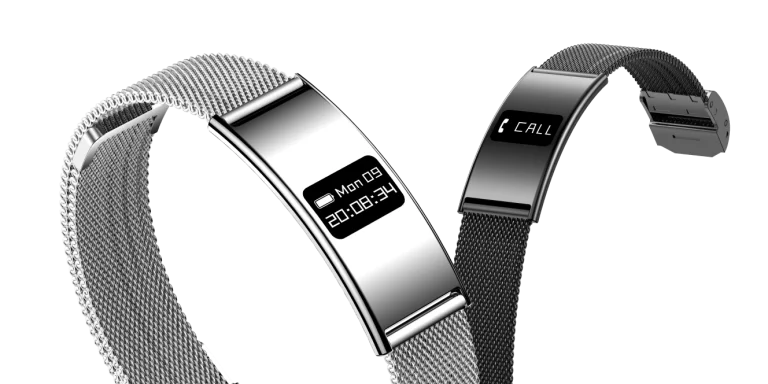
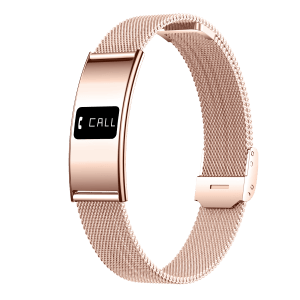
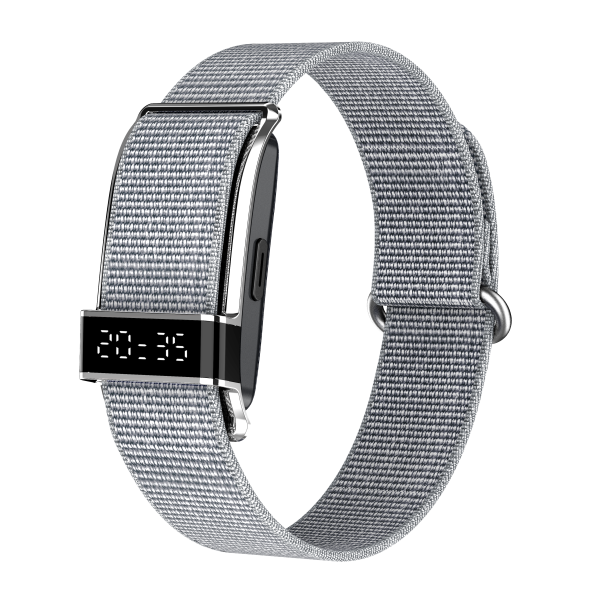
Lightweight high-durability smart wristbands designed for health insurance providers, corporate wellness schemes, and high-volume retail deployment.
Field-proven production platforms engineered for rapid white-label customization, quick tooling turnaround, and immediate global compliance export.
As the smart wearable landscape evolves from simple step counting to generative AI processing and preventive healthcare, OEM/ODM hardware engineering must anticipate several critical technology shifts.
Future smart glasses and smartwatches will rely heavily on localized Neural Processing Units (NPUs) built into primary SoCs. By processing voice commands and acoustic intent locally before communicating with cloud LLMs (such as ChatGPT, Claude, or Gemini), devices achieve near-zero latency while dramatically preserving battery life and enhancing user privacy compliance.
Consumer wearables are rapidly closing the gap with medical devices. Key ODM development requests now mandate continuous arterial stiffness measurement, cuffless blood pressure estimation via optical pulse transit time (PTT), real-time continuous glucose trend estimation, and multi-lead ECG signal capture for early arrhythmia detection.
Form factors like bio-sensing smart rings demand high component density. Traditional surface-mount technology (SMT) is giving way to advanced SiP module integration. Combining the MCU, PMIC, Bluetooth radio, and memory into a single encapsulated substrate enables ultra-thin ring walls under 2.5mm while maintaining 5ATM structural strength.
International B2B buyers increasingly require complete ownership over user health metrics. Turnkey ODM development now extends beyond hardware to include compliant iOS/Android software development kits (SDKs) that interface directly with private enterprise cloud endpoints (AWS/Azure/GCP) adhering strictly to GDPR and HIPAA standards.
Global electronics buyers face tighter time-to-market windows, shifting compliance regulations, and increasing demand for bespoke industrial design differentiation.
Off-the-shelf public mold smartwatches lead to intense price wars on consumer retail channels. Leading electronics importers, telecom brands, and luxury watchmakers are shifting budget towards private-mold ODM development. By securing exclusive mechanical tooling rights, customized watchface UI engines, and tailored companion app branding, buyers lock in long-term high-margin market positioning.
Worldwell mitigates early ODM investment risks by offering modular PCB platforms where custom industrial design shells can be rapid-prototyped around standardized, field-tested core electronic architectures.
Global procurement directors prioritize supply chain transparency. Sourcing key components—such as micro-AMOLED displays from BOE or Visionox, ultra-low power processors from Nordic Semiconductor, and precision optical sensors from PixArt—requires direct factory-level allocation relationships.
At Worldwell, our long-term silicon vendor partnerships ensure guaranteed 10+ year component lifecycles, protecting enterprise clients against sudden component end-of-life (EOL) redesign disruptions.
A disciplined, milestone-driven engineering workflow ensuring your custom wearable transitions seamlessly from conceptual sketching to mass market delivery.
We define MCU platforms, battery chemistry, sensor specs, RF link budgets, dynamic UI wireframes, and target unit economics.
3D surface modeling, ergonomic spatial layout, thermal management, antenna positioning (LDS/FPC), and IP68/5ATM seal design.
Multi-layer HDI PCB routing, impedance matching, power management IC setup, EMI shielding, and signal integrity simulations.
Customizing microkernel RTOS, tuning optical sensor DSP algorithms, designing UI graphic assets, and compiling white-label app SDKs.
Precision steel mold fabrication, EVT/DVT sample builds, drop testing, thermal shock, ESD protection, and 5ATM hydrostatic validation.
Automated SMT assembly, cleanroom potting/dispensing, 100% functional testing, CE, FCC, RoHS, REACH, and UN38.3 lithium battery certs.
Operating under an ISO 9001 quality management framework in Bao'an District, Shenzhen, Worldwell manufactures smart wearables compliant with major worldwide regulatory regimes. We provide full documentation packages for seamless customs clearance and retail distribution.
Factory & Product Quality Certifications
Direct technical and operational answers to address common inquiries from global hardware project managers and procurement officers.
Partner with a proven Shenzhen manufacturer offering 10+ years of hardware expertise, 100+ R&D engineers, and complete global certification support. Contact our technical engineering team today.
Submitting the following specs will help our senior engineering team provide an accurate feasibility evaluation and BOM estimate within 24 hours: