Engineered with clinical-grade optical algorithms, real-time SpO2 tracking, and ruggedized hardware adapted for Eurasian market demands.
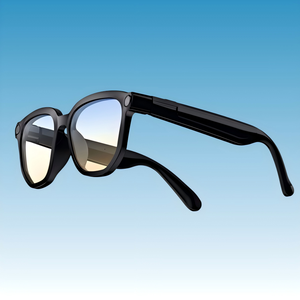
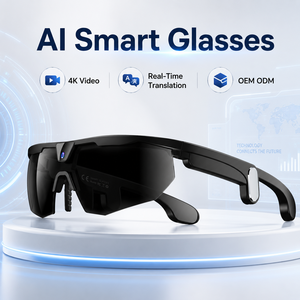
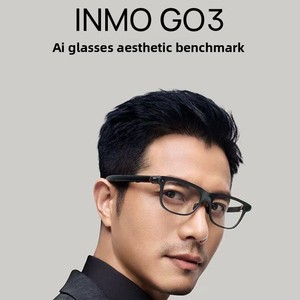
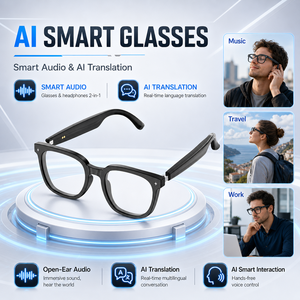

The Moscow medical device and consumer health monitor market has undergone a dramatic structural realignment. Procurement officers, hospital networks, private clinic chains (such as Medsi, K-31, and Invitro), and B2B medical equipment distributors across the Central Federal District of Russia are demanding increased supplier transparency, technical independence, and robust hardware resilience. Selecting a premier pulse oximeter manufacturer requires evaluating photoplethysmography (PPG) optical sensor arrays, low-perfusion algorithms, Eurasian Conformity (EAC) certification readiness, and cold-weather thermal stability.
As an established Shenzhen OEM/ODM smart wearable and biosensor technology manufacturer with over a decade of production excellence, Worldwell Technology Co., Ltd. delivers customized pulse oximetry engines, smart wrist telemetry bands, and AI wearable glasses integrated with continuous blood oxygen monitoring. By maintaining complete control over surface-mount technology (SMT) lines, cleanroom assembly, optical calibration, and custom micro-code firmware, we provide Russian B2B buyers with direct factory access that bypasses costly intermediary supply chains.
Continuous non-invasive oxygen saturation measurement relies on dual-wavelength light absorption differentials across peripheral microvascular beds. Our OEM pulse oximetry engines utilize high-efficiency Red (660 nm) and Near-Infrared (940 nm) light-emitting diodes paired with high-sensitivity silicon photodetectors. The main engineering challenge in localized Russian deployment involves artifact filtering during physical motion and reduced peripheral blood flow.
Our R&D engineering team, consisting of over 100 hardware and firmware specialists, has designed a dynamic ambient light cancellation (ALC) circuit and a low-perfusion digital signal processing algorithm. This algorithm dynamically adjusts LED pulse drive currents from 2 mA to 50 mA, ensuring clear signal extraction even when patient perfusion indices (PI) drop as low as 0.05%.
Deploying pulse oximetry hardware in Moscow demands an understanding of the region's operational environment. Standard commercial pulse oximeters often experience battery failure, sensor drift, or signal attenuation when subjected to local environmental stress and software integration hurdles.
Integration with regional remote patient monitoring (RPM) platforms. Our pulse oximeters transmit Bluetooth Low Energy (BLE 5.4) data packets directly to Android and iOS telemetry apps configured to sync with Russian cloud infrastructure and local EMR systems.
Custom lithium-polymer batteries integrated with NTC thermistors and low-temperature electrolyte chemistries. Designed to operate down to -20°C without catastrophic voltage drops, safeguarding emergency medical crews and outdoor municipal workers.
For Moscow construction conglomerates, mining firms, and heavy industry operators working in hazardous environments. Continuous SpO2 alerts combined with wearable voice synthesis give immediate auditory hypoxia warnings in Russian.
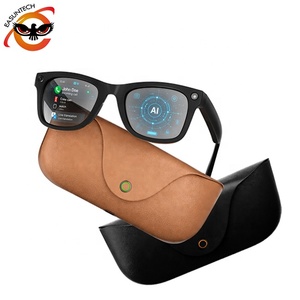
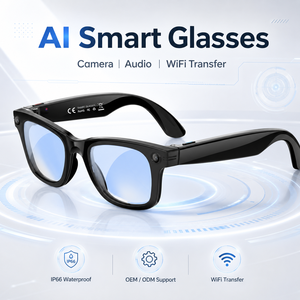
Fusing optical pulse oximetry with smart glasses display HUDs. Surgeons, first responders, and sports enthusiasts in Moscow view real-time blood oxygenation and pulse rate vectors overlaid directly into their field of vision.
Navigating the medical equipment market within the Eurasian Economic Union (EAEU) demands clear compliance strategies. B2B buyers in Moscow must distinguish between consumer-grade wellness trackers and certified medical equipment requiring Roszdravnadzor (RZN) registration.
All electronic health monitoring equipment entering Russia must comply with Technical Regulations of the Customs Union:
Worldwell Technology assists partners by providing complete technical passports, circuit diagrams, raw component bills of materials (BOM), and factory test logs required by accredited Russian certification bodies.
Regulatory guidelines and user adoption trends require Russian-language user interfaces. Our internal software team builds customized firmware compiled with Cyrillic fonts, Russian OLED/AMOLED display menus, and companion mobile apps compatible with local software ecosystems (such as Yandex Cloud and local data privacy standards).
Disruptions in European supply routes have led Moscow distributors to replace traditional European medical brands with direct OEM manufacturing partnerships in Shenzhen. By establishing direct contracts with ISO 9001 certified factories, Russian buyers maintain stable inventory flows, lock in competitive per-unit costs, and gain full control over private-label branding.
Worldwell Technology Co., Ltd. operates a vertically integrated manufacturing campus in Shajing, Bao'an District, Shenzhen. We serve B2B clients, medical equipment distributors, and consumer brand owners across 30+ countries.
Our production facilities feature Class 100,000 dust-free cleanrooms, automated SMT lines, ultrasonic welding systems, and multi-stage optical calibration chambers to maintain high yield rates.
From industrial enclosure design (ID) and mechanical structural engineering to PCBA layout and bio-algorithm development, we execute full-cycle ODM projects in under 45 days.
We support cross-border logistics routes tailored for Moscow delivery—including direct rail transit via Khorgos/Almaty or express air cargo directly to Sheremetyevo (SVO) or Domodedovo (DME) airports.
Answers to common questions raised by procurement managers, importers, and brand owners in Moscow when sourcing pulse oximetry technology.
Our products are manufactured under an ISO 9001 certified quality management system and carry international CE, FCC, RoHS, and REACH test reports. For the Russian market, we provide full technical documentation to support your local accredited partner in issuing the EAC Declaration of Conformity (TR CU 020/2011 and TR CU 004/2011).
Yes. Our in-house software engineering team provides complete Cyrillic font encoding for on-device displays (OLED, AMOLED, or HUD) as well as full Russian language localization for companion iOS and Android software applications.
Our outdoor-grade pulse oximetry wearables use dynamic LED current boosting algorithms to handle low-perfusion conditions caused by cold vasoconstriction. Furthermore, we offer low-temperature battery options rated for stable performance down to -20°C.
Standard OEM private label orders (custom branding, custom packaging, localized manual) typically start at 500 to 1,000 units with a lead time of 15–20 business days. Deep ODM projects requiring custom tooling and private molds have lead times confirmed during project feasibility review.
We work with experienced freight forwarders offering expedited air freight (3–7 days) directly to Moscow airport hubs, as well as multimodal rail cargo routes (18–25 days) through land ports like Manzhouli or Khorgos, providing complete customs clearing documentation.
Yes. We can configure algorithm parameters according to your market positioning—optimizing either for high-frequency sampling during intense physical motion (sports) or high-sensitivity static blood oxygen tracking (clinical wellness telemetry).
Partner with a leading Shenzhen pulse oximeter and wearable smart health device manufacturer. Connect with our engineering team today to receive detailed technical specifications, pricing schedules, and evaluation samples.
Get a Quote