Direct factory supply with custom firmware, localization support, dark-skin tone sensor calibration, and ISO 9001 certified manufacturing for West African trade buyers.


Nigeria represents Africa's largest digital economy, with over 200 million people undergoing a swift technological transition. The convergence of smartphone penetration, expanding 4G/5G infrastructure in metropolitan hubs like Lagos, Abuja, and Port Harcourt, and a growing awareness of personal wellness has triggered an unprecedented surge in demand for preventive healthcare technologies. As local healthcare delivery faces structural challenges, digital health trackers, smart bracelets, biometric rings, and AI-enabled wearable smart glasses are stepping in as essential instruments for personal metric tracking, remote patient telemetry, and corporate wellness initiatives.
Information Gain Benchmark: Procurement of wearable health electronics in Nigeria is moving beyond low-end step counters. Local institutional buyers, Health Maintenance Organizations (HMOs), micro-insurance firms, and corporate entities now demand medical-grade bio-sensor accuracy, dark skin tone PPG optical compensation algorithms, extended power management for unstable grid conditions, and seamless API integration into West African mobile health platforms.
To successfully penetrate and capture market share in West Africa, international electronics brands, B2B importers, and local distributors must understand the macro trends shaping user adoption and institutional procurement across Nigerian states:
Precision hardware architecture engineered specifically for global export demands and African localized operational environments.
Multi-channel PPG sensors equipped with modified optical paths. Provides uninterrupted real-time measurement of SpO2, HRV, arterial pressure indicators, and continuous heart rate tracking tailored for high-melanin skin profiles.
Full Android and iOS SDK access for Nigerian tele-health developers. Supports custom API hooks, white-label UI customization, localized payment gateway tie-ins, and direct server data transmission over low-bandwidth 2G/3G/4G networks.
Anti-corrosive alloy casing, UV-resistant TPU/silicone straps, dynamic waterproof seals certified up to 5ATM/IP68, and anti-dust ingress protection engineered to withstand severe humidity and dust conditions.
Smart health wearables fulfill distinct commercial and operational roles across various industry verticals in Nigeria. Selecting the appropriate device form-factor ensures optimal deployment outcomes:
| Wearable Category | Primary Hardware Attributes | Target Local Segment in Nigeria | Key Value Proposition |
|---|---|---|---|
| Smart Health Wristbands | 0.96"-1.47" TFT display, 14-day battery, real-time PPG, IP68 | Corporate Wellness, HMO Subscribers, FMCG Promotions | Cost-effective deployment, long battery life, accessible health telemetry. |
| AMOLED Smart Watches | 1.43" HD Touchscreen, BT Calling, Blood Pressure, Micro-Speaker | Urban Professionals, Retail Tech Stores (Lagos/Abuja) | Premium aesthetics, hands-free communications during heavy urban traffic. |
| Biometric Smart Rings | 316L Stainless Steel/Ceramic, 5ATM, Sleep Analysis, No Screen | Executive Health Monitoring, Private Telemedicine Clinics | Discreet non-intrusive 24/7 telemetry with accurate pulse oximetry tracking. |
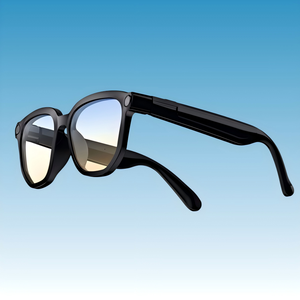
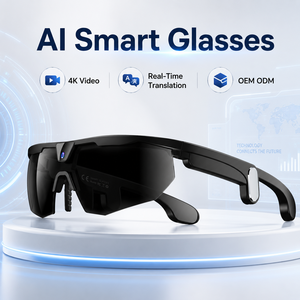
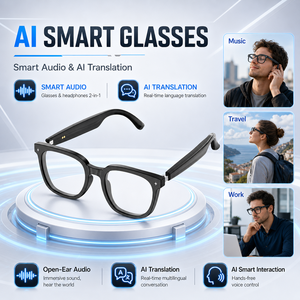
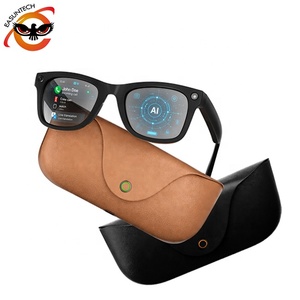
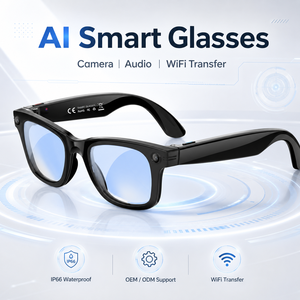
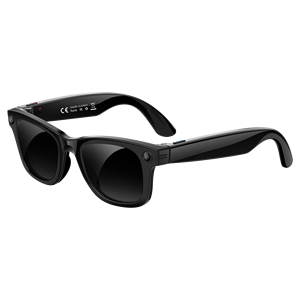
| AI Translation Smart Glasses | Camera, Open-Ear Micro-Speakers, 164+ Dialects, XR Engine | Cross-Border Merchants, Government, Logistics Operators | Hands-free real-time voice translation, documentation capture, smart audio. |
Telemedicine providers operating out of hubs like Yaba (Lagos' Silicon Lagoon) require reliable biometric endpoints. Our smart wristbands and health watches transmit encrypted bio-data via Bluetooth to patient smartphones, which in turn upload glucose indicators, blood oxygen levels, and dynamic pulse variations to central clinical portals. This allows doctors in Lagos or Ibadan to remotely monitor hypertension patients residing in outlying communities.
Nigeria serves as the economic engine of ECOWAS. Merchants operating between Alaba International Market, Computer Village Ikeja, and regional ports require rapid communication tools. Our AI Smart Eyewear line combines HD video capture with real-time audio translation, allowing traders to negotiate contracts in real time across multiple languages while keeping their hands free for inventory inspection and logistics operations.
From industrial design (ID) rendering, mechanical structure engineering, motherboard PCBA layout, and proprietary firmware flashing to companion smartphone app architecture, Worldwell controls every step in-house. This unified development approach reduces time-to-market and eliminates multi-vendor operational risks for Nigerian importers.
Operating state-of-the-art dust-free assembly lines, our manufacturing process follows stringent ISO 9001 protocols. Every device undergoes automated optical inspection (AOI), waterproof pressure chamber validation, high-temperature aging tests, and drop impact testing prior to export packaging.
We provide complete brand private-labeling tailored for the West African market. Customization includes laser-etched logos on casings, customized startup boot animations, localized packaging boxes in English or French, and pre-installed custom firmware themes tailored to your corporate brand image.
All smart health trackers and AI glasses manufactured by Worldwell hold comprehensive CE, FCC, RoHS, and REACH certifications issued by recognized international testing houses. Our engineering team assists Nigerian clients in obtaining necessary local type approvals from regulatory agencies.
Detailed answers addressing regulatory requirements, supply chain logistics, payment terms, and custom hardware engineering.
To import smart electronic wearables into Nigeria, products must meet Standards Organisation of Nigeria Conformity Assessment Program (SONCAP) standards. Furthermore, devices featuring Bluetooth, Wi-Fi, or cellular radio frequencies require type approval from the Nigerian Communications Commission (NCC). Worldwell provides full CE, FCC, and RoHS test reports to streamline your local SONCAP and NCC filing processes.
Standard PPG sensors can experience signal variance due to light absorption by melanin. Worldwell addresses this by equipping health trackers with multi-spectral optical arrays (adjusting drive currents for green and infrared LEDs) paired with adaptive gain control firmware. This ensures precise blood oxygen (SpO2) and heart rate tracking across all skin pigmentation levels.
We work with international freight forwarders specializing in West Africa routes. For urgent orders, air cargo delivers directly to Murtala Muhammed International Airport (LOS) in Lagos or Nnamdi Azikiwe International Airport (ABV) in Abuja within 5 to 8 business days. For larger volume orders, ocean freight ships via consolidated container lines directly to Apapa Port, Tin Can Island Port, or the Lekki Deep Sea Port.
Yes. Our in-house software engineering team provides complete iOS and Android SDK integration. Alternatively, we can build a white-label version of our companion app tailored with your brand identity, local language configurations, and specific API endpoints to synchronize user biometric data directly with your cloud servers.
We support standard international B2B trade payment structures, including Telegraphic Transfer (T/T) with a 30% deposit upon order confirmation and 70% balance prior to shipment. For qualified high-volume corporate orders, we accept confirmed, irrevocable Letters of Credit (L/C at sight) to facilitate Form M processing through Nigerian authorized dealer banks.
For standard OEM orders featuring custom logo printing and tailored packaging, our baseline MOQ starts at 1,000 units per model. Full ODM projects requiring private tooling molds or hardware alterations are evaluated on a case-by-case basis. Typical mass production lead time is 25 to 35 days following sample sign-off and deposit receipt.