The global smart wearable ecosystem is undergoing a monumental paradigm shift. Driven by on-device Artificial Intelligence, miniaturized bio-sensing micro-arrays, and low-power optical display technologies, smart wearables are no longer simple step-counters—they have evolved into real-time personal context engines and essential digital health gateways. For international buyers, brand owners, and enterprise procurement managers, selecting an original equipment manufacturer (OEM) or original design manufacturer (ODM) requires evaluating far more than line capacity. It demands deep scrutiny of firmware customization, RF design integrity, dust-free cleanroom assembly standards, and strict adherence to global regulatory frameworks.
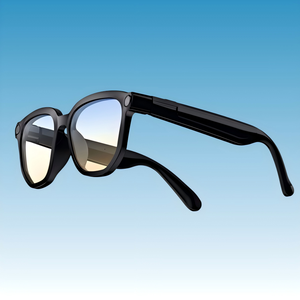
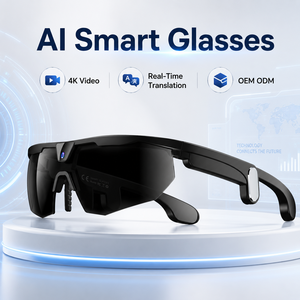
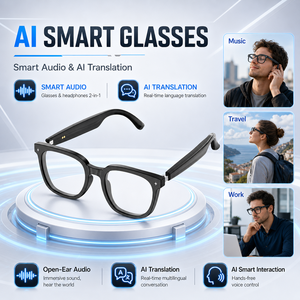
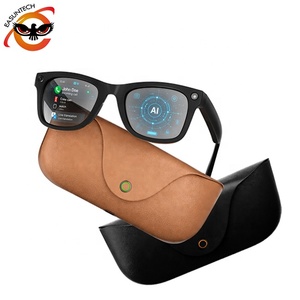
Explore our top-tier catalog of AI-integrated smart glasses engineered for real-time translation, hands-free video capture, open-ear acoustics, and seamless wireless connectivity.

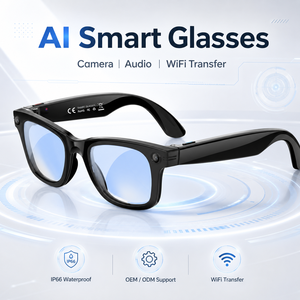

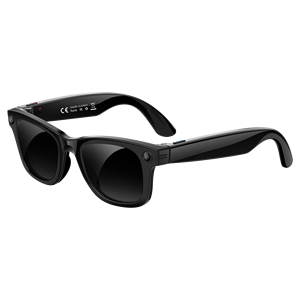
A comprehensive technical evaluation of emerging hardware, firmware, and AI integration technologies for procurement leadership.
Traditional cloud-reliant translation smart glasses face severe latency penalties (often exceeding 1,500ms) and privacy concerns during enterprise cross-border negotiations. Modern ODM manufacturing focuses on embedding low-power Neural Processing Units (NPUs) directly into wearable System-on-Chips (SoCs). By performing localized voice activity detection (VAD), neural noise suppression (NNS), and compact Large Language Model (LLM) quantization on-device, modern AI smart glasses lower translation latency to under 200ms while maintaining full functionality in zero-connectivity environments.
The transition from bulk optical engines (such as Micro-OLED with BirdBath prisms) to diffractive optical waveguides combined with Monolithic Micro-LED micro-displays represents the pinnacle of current display engineering. Achieving optical transparency exceeding 85% while projecting over 1,500 nits of peak brightness allows real-time HUD (Heads-Up Display) information—such as speaker notes, navigation arrows, and live subtitle translation—to remain crisp even under direct sunlight, all while maintaining a total frame weight below 38 grams.
In the smartwatch and smart ring domains, enterprise sourcing strategies have shifted from single-LED Photoplethysmography (PPG) to multi-wavelength LED optical arrays combined with multi-channel ECG (Electrocardiogram) and bio-impedance sensors. Next-generation factory platforms integrate real-time arterial stiffness analysis, continuous blood oxygenation monitoring (SpO2), continuous skin temperature tracking, and non-invasive blood pressure estimations calibrated via cuffless AI algorithms.
Industrial thermal design and volumetric energy density remain the ultimate engineering bottlenecks for micro-wearables. Leading OEM factories are implementing silicon-anode lithium-polymer battery chemistry, offering 20-30% higher energy density than legacy graphite cells. Paired with Bluetooth 5.4 Low Energy (BLE) audio streaming (LC3 codec) and dynamic power scaling microcontrollers, device standby times extend up to 14 days in smartwatches and over 36 hours of active playback in ultra-slim smart glasses.
Sourcing wearable electronics in today's dynamic trade environment requires robust risk management, technical flexibility, and strict adherence to environmental standards. Global buyers are moving away from off-the-shelf white-label items toward modular ODM platforms that allow rapid customization of firmware, app UI, and mechanical housing without incurring prohibitive NRE (Non-Recurring Engineering) costs.
Leading B2B buyers now demand complete API/SDK accessibility for iOS and Android companion apps. This allows enterprise clients to integrate proprietary algorithms, health cloud services, or corporate security protocols into the wearable device seamlessly.
Enterprise compliance requires full transparency regarding raw materials. Top factories provide REACH, RoHS, Halogen-Free, and conflict-mineral reporting, ensuring smooth customs clearance across the EU, North America, and Australia.
Tier-1 ODM manufacturers utilize Automated Optical Inspection (AOI), automated RF acoustic testing boxes, and computerized battery cycling equipment to guarantee mass production yield rates exceeding 99.5%.
Headquartered in Shenzhen's hardware innovation epicenter, Worldwell Technology Co., Ltd. provides end-to-end OEM and ODM wearable manufacturing services backed by world-class infrastructure.
Our state-of-the-art production floors feature Class 10,000 dust-free assembly rooms for optical module mounting, lens alignment, and acoustic sealing, preventing particle contamination on camera sensors and display displays.
Every product model built in our facilities holds verified CE, FCC, RoHS, REACH, and UN38.3 battery transport safety certifications, allowing immediate legal distribution across 30+ regulated markets globally.
From mechanical CAD layout, PCB multi-layer routing, RF antenna tuning (GPS, Wi-Fi, BLE) to custom Android/iOS companion application development, our engineering team handles full lifecycle product turnkeys.
Addressing critical technical, logistical, and commercial inquiries for enterprise hardware buyers.
Partner with a certified, trusted Shenzhen manufacturer backed by 10+ years of hardware excellence, 100+ engineers, and proven global export capabilities. Contact our technical engineering team today for instant quotes, sample evaluations, and complete RFQ assistance.