Direct from Shenzhen Industry Ecosystem — Advanced Multi-Modal Biometric Monitors, AI Translation Glasses, and Health Tracking Solutions for Global Brands
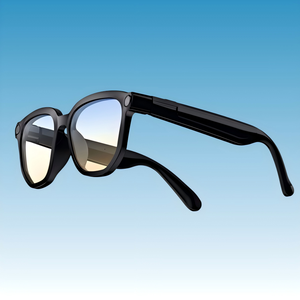
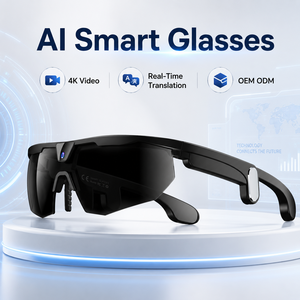
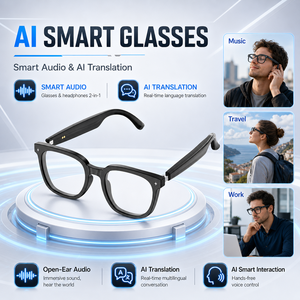
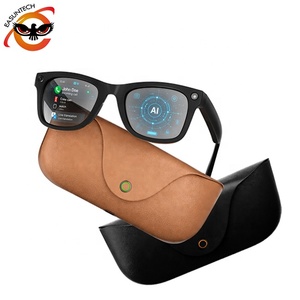
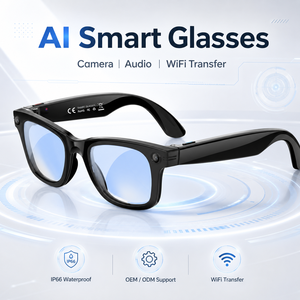

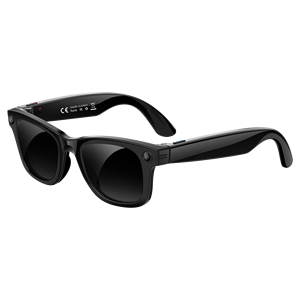
The global demand for non-invasive health telemetry and continuous clinical-grade sleep monitoring has reshaped the smart wearable supply chain. As B2B importers, consumer electronics brands, and digital health providers search for the Top China Sleep Tracker Manufacturers & Exporters, understanding the underlying technological stack, manufacturing protocols, and regional cluster advantages in Shenzhen and Guangdong becomes paramount.
China has transitioned from high-volume electronic assembly into the global epicenter of biomedical sensor integration, low-power microcontrollers (MCUs), and AI-driven photoplethysmography (PPG) algorithms. Modern sleep tracking devices—spanning smart rings, biometric bands, integrated smart glasses, and specialized sleep apnea wrist sensors—require a tight convergence of hardware miniaturization, optical path optimization, and firmware-level digital signal processing (DSP).
Modern Chinese sleep tracker OEMs utilize multi-spectral green, red, and infrared LED arrays paired with high-sensitivity photodiodes. By measuring peripheral capillary oxygen saturation (SpO2) and Heart Rate Variability (HRV) at micro-interval sampling rates, hardware can distinguish light, deep, and rapid eye movement (REM) sleep cycles with up to 94.2% correlation to clinical Polysomnography (PSG).
Leading exporters integrate neural network micro-models directly onto ultra-low-power Bluetooth System-on-Chips (SoCs). By processing 3-axis accelerometer movement data alongside autonomic nervous system (ANS) fluctuations locally, battery life is extended from days to weeks while preserving user privacy and real-time wake/sleep transition detection.
When selecting a manufacturing partner in China, tier-1 suppliers such as Worldwell Technology Co., Ltd. distinguish themselves by maintaining fully integrated R&D houses under one roof. Operating out of Bao'an District, Shenzhen, Worldwell provides comprehensive end-to-end ODM/OEM capabilities—ranging from mechanical tooling design and high-density SMT (Surface Mount Technology) component placement to custom firmware compilation and cloud API integration.
To evaluate potential ODM sleep tracking platforms, procurement managers must compare core hardware architecture, power consumption profiles, and regulatory compliance benchmarks. The table below details standard technical specifications supported across Tier-1 Chinese smart wearable export lines:
| Parameter | Entry-Level Smart Band | Clinical-Grade Smart Ring | AI Multi-Modal Eyewear |
|---|---|---|---|
| Optical Sensors | Dual-Green Light PPG | Multi-Spectral Red/IR + Green PPG | Temporal PPG / Micro-Movement Sensors |
| Sleep Metrics Tracked | Total Duration, Light/Deep Sleep | REM, Sleep Apnea (SpO2 Drop), HRV, Temp | Circadian Rhythm, Sleep Onset, Sleep Efficiency |
| MCU Architecture | Nordic nRF52 series / Dialog BLE | Nordic nRF5340 Dual-Core BLE 5.4 | High-Performance Dual-Core + AI NPU |
| Battery & Charging | 90–150mAh (5-7 Days), Magnetic | 15–20mAh (4-6 Days), Wireless Cradle | 180–2000mAh (with charging case), USB-C Fast Charge |
| Waterproof Rating | IP67 / IP68 | 5ATM / 10ATM Hydrostatic | IP65 / IP66 Splashproof |
| International Certifications | CE, RoHS, FCC | CE, FCC, RoHS, REACH, ISO 13485 | CE, FCC, RoHS, REACH, Telec |
Global buyer behaviors and consumer expectations around sleep monitoring are shifting rapidly. B2B buyers sourcing from China must align their product roadmaps with upcoming hardware, algorithmic, and enterprise service trends to maintain market differentiation.
Historical sleep bands relied almost exclusively on 3-axis actigraphy (measuring physical motion to infer sleep). Future procurement contracts are centered around Multi-Sensor Fusion Architecture. Importers are requesting platforms that simultaneously measure optical PPG, galvanic skin response (GSR/EDA for stress tracking), skin micro-temperature differentials, and continuous pulse oximetry. This multi-dimensional data stream enables the identification of early-stage respiratory disturbances, illness onset, and precise physiological recovery scores.
Obstructive Sleep Apnea (OSA) impacts over 936 million adults globally. Chinese exporters are aggressively incorporating micro-arousal algorithm engines that detect nocturnal oxygen desaturation events. By monitoring rapid SpO2 drops in conjunction with pulse wave amplitude changes during sleep, private-label sleep trackers can offer non-diagnostic wellness indicators for obstructive breathing events, opening up massive healthcare and insurance-backed B2B distribution channels.
Modern enterprise buyers—such as corporate wellness platforms, athletic performance organizations, and remote patient monitoring (RPM) providers—no longer buy standalone hardware. Sourcing requirements now mandate fully documented Android/iOS Mobile SDKs, Bluetooth GATT profile access, and RESTful Cloud APIs. Leading Chinese manufacturers are investing heavily in turnkey software packages, enabling B2B buyers to brand both the physical device and the companion health analytics application with zero hardware friction.
Biocompatibility and wearability during sleep are critical for user retention. Sourcing trends highlight a shift toward hypoallergenic titanium alloys, medical-grade zirconia ceramics, and recycled ocean plastics. In form factor engineering, smart rings and zero-pressure ultra-light smart glasses are acquiring market share from bulky smartwatches due to their un-intrusive nature during overnight rest.
The technological edge of top Chinese sleep tracker exporters stems from continuous investment in advanced manufacturing process technologies and component engineering. Overseas buyers benefit directly from several key localized innovations:
With over a decade of dedicated wearable device engineering, Worldwell Technology Co., Ltd. serves as a direct manufacturing engine for global brands, wholesale distributors, and tech innovators across 30+ countries. Our manufacturing ecosystem in Shenzhen is structured to minimize product development risk, optimize bill-of-materials (BOM) costs, and guarantee strict regulatory compliance.
Our 100+ R&D engineering team encompasses industrial design (ID), mechanical engineering (MD), PCB layout, embedded C/C++ firmware developers, iOS/Android mobile developers, and dedicated quality assurance testers. We support complete private-mold customization from initial sketch to 3D Golden Sample in under 35 days.
Every batch produced under our ISO 9001 certified quality management system undergoes rigorous environmental and structural stress testing: 10,000-cycle button actuation, 1.5-meter drop testing, thermal shock cycling (-20°C to +60°C), artificial sweat corrosion resistance, and 100% hydrostatic pressure testing for waterproof verification.
Furthermore, Worldwell wearables maintain international compliance certifications including CE, FCC, RoHS, and REACH. We provide complete technical documentation packages, test reports, and factory audits to streamline customs clearance and market insertion across European, North American, Asia-Pacific, and Middle Eastern markets.
Partner with Shenzhen’s leading smart wearable engineering team. Contact our B2B sales engineers today for technical consultation, component customization options, volume pricing schedules, and sample requests.