
AI Smart Eyewear
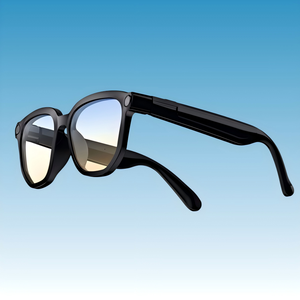
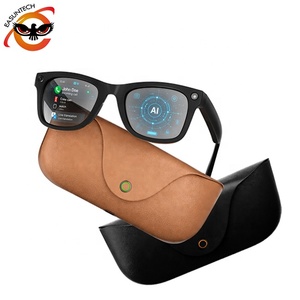
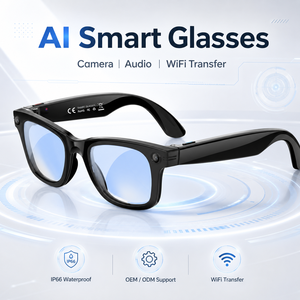
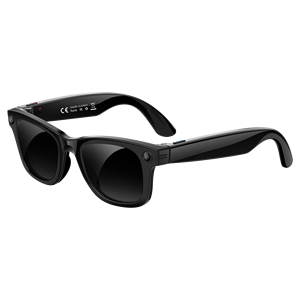
AI Smart Glasses with Camera Realtime Translation & Voice Assistant
- Real-Time Translation
- Anti-Shake Capture
- Voice Control
Explore our market-ready smart glasses, steel smart rings, and micro-wearable solutions available for custom branding, firmware modification, and private-label manufacturing.
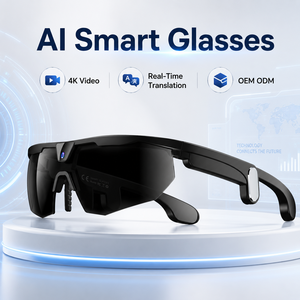
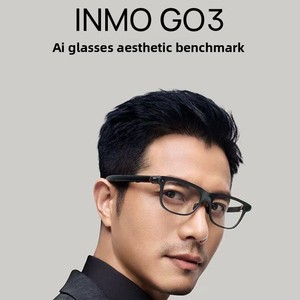
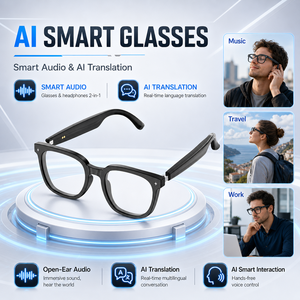

In the rapidly evolving landscape of smart consumer electronics and IoT health monitoring, international buyers searching for a certified OEM/ODM Steel Ring exporter & exporters face a complex engineering challenge. Modern smart rings are no longer passive jewelry items; they represent sophisticated micro-electro-mechanical systems (MEMS) encased in surgical-grade metals. Sourcing high-quality steel rings requires a manufacturing partner capable of maintaining micrometer-level mechanical tolerances while seamlessly integrating flexible PCBA circuits, optical Photoplethysmography (PPG) sensors, lithium-ion battery micro-cells, and Bluetooth Low Energy (BLE) microcontrollers.
Worldwell Technology Co., Ltd., based in Shenzhen, China, operates at the intersection of precision metallurgy and micro-electronic engineering. As an ISO 9001 certified OEM/ODM smart wearable manufacturer, we engineer surgical-grade 316L stainless steel, Grade 5 titanium, and zirconia ceramic smart rings alongside advanced AI glasses and health-tracking smartwatches. This whitepaper outlines the structural parameters, manufacturing methodologies, regulatory standards, and supply chain strategies essential for procurement executives, product managers, and B2B distributors seeking competitive advantages in the smart wearable ecosystem.
Information Gain Key Insight: Unlike standard decorative steel jewelry exporting, smart steel ring manufacturing demands zero electromagnetic interference (EMI) design, medical-grade skin contact biocompatibility, and hermetic sealing capable of enduring 5ATM to 10ATM hydrodynamic pressures. Partnering with a manufacturer offering unified hardware, firmware, and companion app customization drastically reduces time-to-market and field failure rates.
Selecting the ideal material substrate for OEM/ODM steel ring production determines the ring's structural integrity, weight distribution, signal transparency, and hypoallergenic properties. Our engineering team utilizes advanced Computer Numerical Control (CNC) 5-axis machining and Metal Injection Molding (MIM) to manufacture ultra-durable ring chassis.
| Engineering Property | Surgical 316L Stainless Steel | Titanium Alloy (Grade 5 Ti-6Al-4V) | Zirconia Ceramic (ZrO2) |
|---|---|---|---|
| Density & Weight | 7.99 g/cm³ (Substantial luxury weight) | 4.43 g/cm³ (45% Lighter than steel) | 6.00 g/cm³ (Balanced feel) |
| Tensile Strength | 620 MPa (High deformation resistance) | 950 MPa (Extreme strength-to-weight ratio) | 2000 MPa (Flexural strength) |
| Vickers Hardness (HV) | 220–250 HV (High scratch resistance) | 350–400 HV (Superior wear protection) | 1200–1500 HV (Virtually unscratchable) |
| RF Transparency (BLE 5.4) | Requires engineered RF antenna windows | Requires precision molded resin gaps | 100% RF Transparent (Zero antenna loss) |
| Biocompatibility | ISO 10993 compliant (Nickel-safe PVD) | Medical Grade 100% Bio-inert | Hypoallergenic & non-reactive |
| B2B Unit Cost Index | Cost-effective benchmark (1.0x) | Premium tier (1.65x - 2.1x) | High-end luxury (1.4x - 1.8x) |
Our turnkey OEM/ODM production ecosystem combines decade-long hardware mastery with world-class quality assurance.
From initial industrial design concept (ID), mechanical tooling (MD), PCBA layout, optical sensor calibration, to iOS/Android companion app integration and mass production. We handle every step under one roof to prevent project delays.
Our multidisciplinary R&D engineering force specializes in embedded C/C++ firmware development, Nordic BLE protocol stacks, low-power PPG algorithm optimization, micro-battery power management, and AI voice/translation engine integration.
Manufacturing is performed inside Class 100,000 dust-free cleanrooms adhering strictly to ISO 9001 quality management standard protocols. Every smart steel ring undergoes 100% vacuum pressure tightness testing and high-temperature burn-in tests.
As global technology brands expand beyond conventional smartwatches, the demand for sleek, non-intrusive health monitors has accelerated smart ring adoption. Procurement managers preparing supply chain strategies for 2025 through 2030 must evaluate key technological shifts currently transforming the OEM/ODM steel ring exporter market.
Traditional electroplating techniques present environmental compliance risks and surface degradation over prolonged skin contact. Future-proof procurement requires physical vapor deposition (PVD) ion plating in high-vacuum chambers. PVD titanium nitride (TiN) and diamond-like carbon (DLC) coatings provide vibrant metallic finishes (Deep Space Gray, Rose Gold, Royal Gold, Obsidian Black) while delivering exceptional corrosion resistance against sweat, seawater, and household chemicals.
First-generation smart rings relied solely on single green-light PPG LEDs for basic pulse counting. Next-generation steel ring OEM programs integrate multi-wavelength optical arrays—combining green (heart rate), red and infrared (pulse oximetry / SpO2), and near-infrared sensors for continuous vascular blood pressure trend monitoring and skin temperature variance. Selecting a supplier with proprietary algorithm development ensures accurate biometric data despite motion artifacts.
Battery life remains a pivotal consumer purchasing metric. Innovations in high-energy-density curved lithium-polymer micro-cells and solid-state battery chemistry allow 15mAh to 22mAh capacities within ultra-thin (2.5mm to 3.0mm) steel ring walls. Paired with low-power Bluetooth 5.4 silicon (e.g., Nordic nRF5340 or Dialog DA1469x platforms), modern smart rings achieve 5 to 7 days of continuous tracking on a single 45-minute magnetic dock charge.
International importers face tightening regulatory scrutinies worldwide. Beyond basic factory audits, procurement mandates require comprehensive material traceabilities:
The convergence of wearable hardware with artificial intelligence (AI) edge computing is reshaping product engineering standards across the industry. When evaluating an OEM/ODM steel ring exporter or AI eyewear manufacturer, buyers should verify technical roadmap capabilities in the following core development domains:
Achieving true water resistance without adding bulk requires resin potting injection and UV-curable optical adhesives inside the steel ring housing. Liquid resin encapsulation protects internal components against thermal expansion and pressure spikes during deep-water swimming.
Integrating localized neural network micro-models allows smart rings and AI glasses to process voice commands, gesture detection (single tap, double pinch), and sleep-stage tracking directly on the micro-chip, reducing latency and preserving battery life.
Hardware excellence must be backed by intuitive software. Worldwell provides white-label companion applications for iOS and Android, allowing B2B buyers to customize branding, color themes, metric dashboards, and push notifications. Additionally, cloud API/SDK access enables enterprise clients to route real-time biometric telemetry directly into proprietary healthcare portals, corporate wellness software, or athletic coaching platforms.
Clear, direct answers regarding custom manufacturing, sample testing, lead times, and global shipping policies.
Accelerate your brand's growth with certified OEM/ODM steel rings, AI smart glasses, and precision wearable hardware engineered for international market leadership. Request our latest B2B product catalog and engineering spec sheets today.