Explore our factory-direct OEM/ODM wearable lineup engineered for international distribution, certified quality, and seamless telecom carrier compatibility.


The global demand for standalone connected devices—specifically 4G LTE, 5G RedCap, and eSIM-enabled cellular smartwatches—has transitioned from a niche luxury market to a cornerstone of modern smart wearable technology. When international B2B buyers search for China Best Cellular Watch Factories & Suppliers, they are not merely looking for assembly lines; they are seeking strategic manufacturing partners capable of navigating complex radio frequency (RF) engineering, carrier-level regulatory compliance, miniaturized PCB design, and tight supply chain integration.
China, particularly the Bao'an District in Shenzhen, serves as the global epicenter for wearable technology innovation. As smartwatches evolve beyond simple smartphone peripherals into autonomous cellular computing endpoints equipped with health diagnostics, biometric sensors, real-time voice translation, and AI edge computing, factory selection criteria have changed drastically. High-gain cellular transmission requires flawless antenna matching (LDS/FPC), stringent power management architecture, and reliable thermal dissipation within micro-enclosures.
Information Gain Key Insight: Standalone cellular connectivity (eSIM/Nano-SIM) introduces stringent carrier qualification requirements (PTCRB, GCF, AT&T, Vodafone). Sourcing from top-tier Chinese manufacturers with pre-certified PCBA platform designs reduces compliance overhead by up to 65% and cuts time-to-market from 12 months down to under 16 weeks.
Selecting the optimal cellular smartwatch factory requires an in-depth understanding of the underlying engineering components. A cellular smartwatch is exponentially more complex than a standard Bluetooth fitness tracker. The simultaneous integration of cellular baseband transceivers, GNSS (GPS/Beidou/GLONASS) positioning antennas, PPG optical health sensors, and high-brightness AMOLED touch displays requires multi-layer high-density interconnect (HDI) PCB layout expertise.
| Architecture Feature | Standard Entry-Level Watch | Mid-Tier Commercial Watch | Enterprise Flagship Cellular Watch |
|---|---|---|---|
| Baseband Chipset | Single-Mode 4G CAT-1 (UNISOC 8910DM) | Dual-Core CAT-1 / BLE 5.3 (UNISOC W307) | Qualcomm Snapdragon Wear 4100+ / 5100, 5G RedCap |
| SIM Architecture | Physical Nano-SIM Slot | Nano-SIM / Dual Profile Support | Embedded eSIM (eUICC) GSMA SAS-UP Certified |
| Display Tech | TFT / HD LCD 240x280 | AMOLED 368x448 with Always-On (AOD) | Flexible Ultra-HD AMOLED 466x466, 1000 nits Peak |
| Biometric Array | Single-LED PPG Heart Rate | Dual-Beam PPG (SpO2 + Heart Rate) | 8-Channel Multi-Path PPG + ECG + Continuous BP Algorithm |
| Enclosure & Waterproof | ABS Plastic + IP67 Waterproof | Zinc Alloy + Glass Lens + IP68 | 316L Stainless Steel / Ceramic / Titanium + 5ATM Sealing |
Cellular reception inside a small wrist-worn form factor is heavily affected by human body tissue absorption (Specific Absorption Rate - SAR). Premier Chinese factories utilize 3D Laser Direct Structuring (LDS) antennas etched directly onto the watch chassis inner wall. This maximizes radiative efficiency while maintaining compliance with international FCC and CE SAR limits.
The cellular wearable industry is undergoing a radical technical transformation driven by artificial intelligence, advanced telecom networks, and non-invasive medical sensors. Forward-thinking procurement managers must align with OEMs capable of supporting these emerging technologies:
5G RedCap represents the future of cellular wearables. By stripping away unnecessary 5G ultra-wideband overhead while retaining native 5G network slicing, low latency, and global roaming capability, 5G RedCap chipsets reduce module power consumption by up to 40% compared to traditional 4G LTE modules. Forward-thinking Chinese factories are already sampling RedCap PCBA reference boards for release in upcoming product cycles.
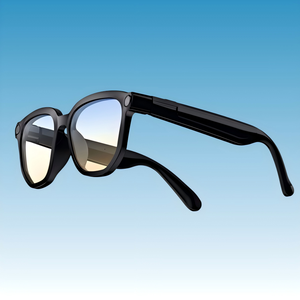
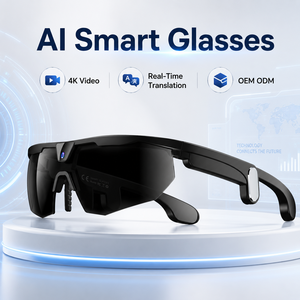
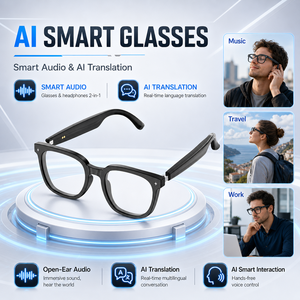
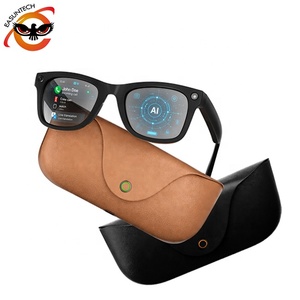
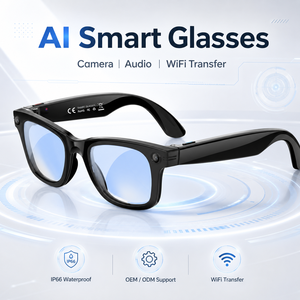
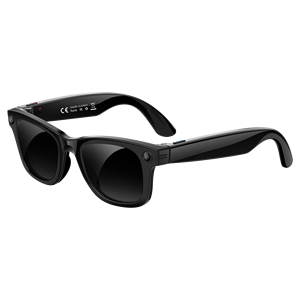
Next-generation cellular watches are no longer confined to static voice commands. Modern cellular smartwatches and smart AI glasses integrate directly with Cloud AI infrastructure (OpenAI, Claude, Llama 3) via standalone cellular data streams. Wearables can translate live foreign language conversations, summarize voice notes in real-time, and analyze continuous biometric health trends on the fly without relying on a nearby smartphone connection.
Advanced PPG multi-wavelength optical sensor arrays coupled with trained machine learning algorithms now allow real-time blood glucose fluctuation tracking, continuous blood pressure trend detection, and cuffless arterial stiffness evaluation. B2B brands adopting these health features gain a significant competitive edge in retail, medical insurance enterprise supply, and senior care tele-monitoring sectors.
Navigating cross-border procurement requires analyzing cost structures, minimum order quantities (MOQs), and intellectual property protection protocols. Today's global brand owners are shifting away from basic off-the-shelf white-label purchasing toward full-stack ODM co-development programs.
When evaluating China cellular watch factories, B2B buyers should inspect the manufacturer's SMT (Surface Mount Technology) assembly line capabilities. High-precision placement machines (capable of handling 0201 component sizing and micro-BGA chips) combined with Automated Optical Inspection (AOI) and X-ray soldering validation are essential to guarantee zero-defect manufacturing for complex cellular PCBAs.
As a established OEM/ODM smart wearable manufacturer situated in Shenzhen, China, Worldwell Technology Co., Ltd. offers global enterprise buyers an unrivaled end-to-end manufacturing engine. From early-stage conceptual sketch and mechanical layout to final certified mass production, Worldwell combines deep engineering expertise with rigorous quality management standards.
Our dedicated hardware, firmware, RF, antenna, and software application engineers resolve complex technical bottlenecks before mass assembly.
Mass production occurs within ISO 9001 certified dust-free cleanrooms, utilizing automated testing jigs for 100% waterproof and screen testing.
Products come backed with complete international certification packages including CE, FCC, RoHS, and REACH for friction-free global customs clearance.
From custom watch face design and branded UI themes to proprietary companion app SDK integration and bespoke retail packaging.
Serving B2B importers, telecommunication brands, and retail distributors across more than 30 countries with full supply chain transparency.
Every batch undergoes rigorous thermal shock, drop testing, salt spray corrosion testing, and continuous battery cycle validation.
Yes. Our OEM program applies your brand logo, customized packaging, startup animations, and localized watch face designs to proven factory platforms. Our ODM program handles full end-to-end custom development including industrial design, private plastic/metal mold tooling, PCB engineering, custom firmware UI, and companion mobile app building.
Our smart wearables and cellular devices hold official CE, FCC, RoHS, and REACH certificates issued by accredited third-party testing laboratories (such as SGS / TÜV / Intertek). Manufacturing lines operate strictly under an ISO 9001 certified quality management system.
We customize cellular transceivers and RF matching circuits according to regional band requirements (e.g., North American B2/B4/B5/B12/B13/B66 vs European/Asian B1/B3/B7/B8/B20). During project initiation, our engineers verify carrier compatibility for your exact market destinations.
Absolutly. Our in-house software engineering department provides complete UI/UX customization, custom watch face creation, localized language translation (over 50+ languages supported), unique health metric display logic, and complete white-label companion mobile app deployment on iOS App Store and Google Play Store.
To receive an accurate and timely RFQ proposal, buyers should provide: target sales market/region, preferred product category or reference SKU, estimated batch order quantity, customization depth (OEM logo printing vs ODM private mold), certification requirements, and target timeline for mass delivery.
Standard OEM logo customization MOQs typically start at 1,000 units with a lead time of 2 to 3 weeks. Deep ODM private mold engineering projects require explicit tooling phases (4-6 weeks for sample molding, followed by 3-4 weeks for initial mass production run upon sample sign-off).
Contact our engineering sales team today for factory-direct price quotes, technical datasheet downloads, and project feasibility reviews.
Get a Quote