0%

Health monitoring is becoming less occasional. A watch can record a night’s sleep, a morning pulse, and a sudden rise in heart rate during a walk. Yet more data does not automatically mean better care. For readers comparing the 10 Best Health Monitoring Wearable Devices in 2026, accuracy, comfort, battery life, and clear explanations matter as much as feature lists.

The scale is substantial. IDC’s Worldwide Quarterly Wearable Device Tracker reported 534.6 million wearable devices shipped globally in 2024, a 6.1% increase from 2023. That figure covers wearables broadly, not just medical monitors. Research also shows why interpretation matters: in the Apple Heart Study, published in the New England Journal of Medicine, 0.52% of 419,297 participants received an irregular-pulse notification. A notification is a prompt to seek appropriate evaluation, not a diagnosis. The caveat matters.

Digital-medicine advocate Eric Topol captured a wider shift in his book title, “The Patient Will See You Now.” Health Monitoring Wearable Devices can help people notice patterns between appointments, but readings depend on fit, sensor design, and everyday conditions. This guide compares leading devices by the signals they track, the practical details they disclose, and the limits users should understand. Some differences are subtle. That is worth saying. A polished screen cannot replace sound clinical advice, and a device that is uncomfortable may end up in a drawer. Industry figures cited here are useful context, not proof that any single product suits every person.
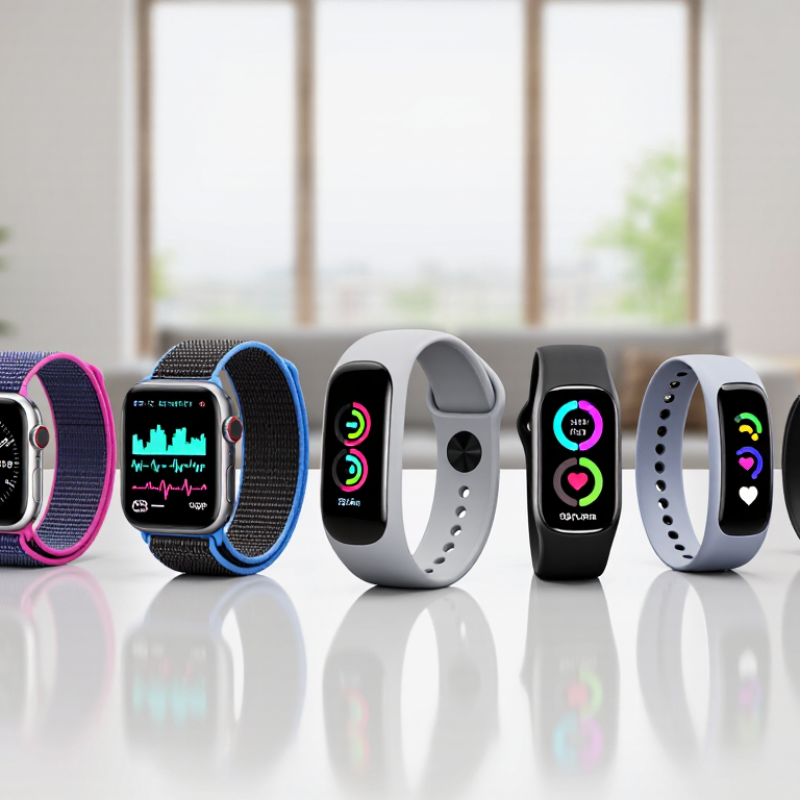
10 Best Health Monitoring Wearable Devices in 2026

What Health Monitoring Wearables Measure in 2026

In 2026, health-monitoring wearables track more than steps. Optical sensors estimate heart rate and blood oxygen, while motion sensors record activity, sleep timing, and falls. Some devices also measure skin temperature, breathing rate, or electrical heart signals. These readings are useful clues, not a complete medical picture. Fit matters. A loose band or vigorous movement can disrupt readings, and individual results may vary. Many devices are better at showing patterns over several days than providing perfect moment-to-moment measurements.

A morning resting pulse, an overnight temperature shift, and repeated wake-ups may help reveal changes in routine. A higher-than-usual pulse after a poor night might be a reason to rest, but it cannot explain the cause. Sleep stages are estimates based on signals such as movement and pulse, not direct measurements of brain activity. Not a diagnosis. Blood pressure and glucose deserve extra scrutiny: methods vary, and a displayed number is not automatically clinically validated. I would not trust every alert without checking its context. Persistent or concerning changes are worth discussing with a health professional.

How the Top Ten Devices Are Evaluated

Each device is assessed on measurement quality, daily usability, and the clarity of its health data. We look for published validation against suitable reference methods, not just precise-looking charts. Heart-rate readings during a brisk walk may behave differently from readings during sleep. Context matters. Sleep estimates, blood oxygen readings, and activity counts are considered signals for tracking patterns, not diagnoses.

Comfort is tested through ordinary routines: wearing a device through a workday, washing hands, and sleeping with it overnight. A sensor that pinches the wrist or needs frequent charging may be less useful, even when its readings appear strong. Battery life, app readability, and accessible controls also affect the score. Small details count. A dim display outdoors can make a quick check surprisingly difficult.

We also examine how clearly each device explains uncertainty, handles missing data, and protects personal information. Devices are compared using the same criteria, while recognizing that fit, skin tone, movement, and individual physiology can affect readings. No ranking can remove those limits. Some features may sound impressive but offer little practical value; that judgment can be imperfect, so evidence and everyday usefulness carry more weight than marketing claims.

Ten Leading Health Monitoring Wearables of 2026

Ten leading health monitoring wearables of 2026 stand out for different needs, not one universal ranking. Advanced smartwatches combine heart-rate trends, activity records, and basic sleep tracking. Slim fitness bands offer lighter daily wear and longer battery life. ECG-capable wrist wearables can record a heart rhythm when symptoms occur. Blood-oxygen trackers may show overnight changes, though readings are not diagnoses. Sleep rings focus on overnight pulse, temperature trends, and movement. Useful, but fit matters.

Smart patches can collect data continuously with little wrist clutter. Chest straps often capture exercise heart rate more consistently during intense workouts. Temperature-sensing wearables help users notice personal patterns across days. Sensor-equipped shirts track breathing and movement during training. Wearable blood-pressure monitors may support regular checks, but technique and device validation remain important. No device gets every reading right. Some dashboards also make small changes look alarming.

Tips: Wear a device consistently and follow its fit instructions. Compare trends over time, not one unusual reading. Check whether the device has been independently validated for the measurements you care about. If symptoms persist, seek qualified medical advice rather than relying on wearable data alone.

10 Best Health Monitoring Wearable Devices in 2026 - Ten Leading Health Monitoring Wearables of 2026

Wearable Device Type Health Signals Commonly Monitored Monitoring Style Best Suited For Important Consideration
ECG-Capable Smartwatch Wrist heart rate, activity, sleep, and a user-initiated single-lead ECG; some models also offer blood-oxygen or skin-temperature features. Continuous or frequent optical heart-rate tracking, with ECG recordings taken on demand. People who want everyday activity tracking and occasional heart-rhythm recordings. An ECG feature may identify signs consistent with atrial fibrillation, but it does not diagnose all heart conditions or replace clinical testing.
General Health Smartwatch Heart rate, movement, sleep patterns, and, depending on the model, heart-rate variability or blood-oxygen estimates. Frequent wrist-based optical measurements and activity summaries. Everyday fitness, wellness trends, and reminders to move. Measurements and available features vary by model; wrist readings can be affected by fit, movement, and skin contact.
Fitness Band Heart rate, steps, exercise duration, sleep estimates, and sometimes blood-oxygen readings. Lightweight, ongoing tracking, usually focused on daily activity and sleep. People seeking a simple, compact activity and wellness tracker. Sleep stages and other wellness estimates are not equivalent to measurements from a clinical sleep study.
Smart Ring Typically tracks pulse, heart-rate variability, skin-temperature trends, sleep, and activity; feature sets differ across models. Worn on a finger, commonly collecting data during sleep and daily wear. People who prefer a small form factor for sleep and recovery trends. Fit and finger temperature can affect readings; a ring generally does not provide a medical-grade ECG.
Chest-Strap Heart-Rate Monitor Electrical heart-rate signals; some models also record heart-rate variability or transmit workout data. Measures heart activity at the chest, often during exercise. Exercise sessions where responsive heart-rate tracking is important. It is primarily an exercise-monitoring tool and usually does not provide broad sleep or all-day health tracking.
Continuous Glucose Monitor Glucose levels in interstitial fluid, with trend information and, on some systems, alerts. A small wearable sensor samples glucose throughout the day; readings can lag behind blood glucose changes. People managing diabetes when continuous glucose monitoring is recommended for them. Use and interpretation should follow medical guidance; sensor readings may need confirmation when symptoms and readings do not match.
Wearable ECG Patch ECG rhythm recordings, often focused on detecting intermittent irregular heart rhythms. A patch worn for a prescribed monitoring period, with recording duration depending on the device and care plan. Clinical evaluation of symptoms such as occasional palpitations. It is generally used under healthcare guidance and does not usually monitor every vital sign.
Wearable Blood-Pressure Monitor Blood-pressure readings; some cuff-based designs also report pulse rate. Typically takes readings at intervals rather than continuously measuring blood pressure. People tracking blood pressure over time when the device is appropriate for their needs. Position, cuff fit, and following measurement instructions matter; wrist readings can be sensitive to arm position.
Wearable Pulse Oximeter Estimated blood-oxygen saturation (SpO₂) and pulse rate. Spot checks or ongoing readings, depending on the device design. Monitoring oxygen-saturation trends when advised by a healthcare professional. Motion, circulation, sensor placement, and other factors can affect readings; consumer readings should not be used alone to make medical decisions.
Wearable Temperature Sensor Skin-temperature trends; some systems use these trends to estimate changes in body temperature. Repeated or ongoing measurements from a skin-worn sensor. Observing personal temperature patterns over time. Skin temperature is not the same as core body temperature and can be influenced by the environment and sensor placement.

Note: Features differ by device, and wearable readings are generally intended for tracking or screening rather than diagnosis. Consult a healthcare professional about medical decisions or concerning symptoms.

Comparing Features, Accuracy, and Data Access

When comparing ten leading health-monitoring wearables in 2026, start with the measurements you will actually use. Daily heart rate, sleep duration, activity, and irregular trends are common features, but coverage varies. Some devices add skin temperature or oxygen estimates; these readings are not interchangeable with clinical tests. Small differences matter.

Accuracy depends on fit, movement, skin contact, and the type of sensor. A loose wristband can produce jumpy readings during a brisk walk, while steady resting measurements may look more consistent. Compare devices using the same activity and wearing conditions, and check whether their published validation explains the test population. “More metrics” does not always mean better evidence. I would treat sleep stages and single unusual readings as clues, not diagnoses; that caution can feel inconvenient.

Data access deserves equal attention. Check whether measurements can be viewed over time, exported, or shared with a clinician in a readable format. Some apps show clean charts but limit downloads or place older records behind a subscription. Review privacy controls, account requirements, and how easily you can delete stored data before buying. A dashboard can look impressive and still leave you with little usable information.

Choosing a Wearable for Individual Health Needs

Choosing a wearable starts with a question: what do you actually want to notice? A runner may value pace and recovery trends, while someone tracking sleep may prefer a comfortable device that can be worn overnight. People managing a health condition should check whether the device measures relevant signals and discuss its limits with a qualified clinician. No wrist sensor tells the whole story.

Fit matters more than a long feature list. Try wearing the device during a normal workday, then check whether its readings and alerts feel useful rather than distracting. Battery life, screen readability, data-sharing settings, and access to your recorded history can shape daily use. I have found that even a promising feature becomes easy to ignore when setup feels fussy. That is worth considering.

Tips: Choose two or three priorities before comparing devices. Check how the device defines each measurement, and look for clear guidance on accuracy and limitations. Treat unusual readings as a reason to verify, not as a diagnosis. If you stop wearing it after a week, that is useful feedback too.

10 Best Health Monitoring Wearable Devices in 2026

Choosing a wearable for individual health needs starts with knowing which health signals matter to you. Sleep tracking is one commonly available feature.

Bars show the minimum recommended sleep duration per 24 hours; age-group labels show the recommended range. Wearable sleep estimates are useful for tracking patterns, but are not a medical diagnosis. Source: CDC sleep-duration recommendations.

FAQS

What can health-monitoring wearables measure?

They can estimate heart rate, blood oxygen, activity, sleep timing, and falls. Some also track skin temperature, breathing, or electrical heart signals.

Are wearable readings exact?

No. Loose fit and vigorous movement can disrupt readings. Individual results may vary, too.

How should I use daily readings?

Look for patterns across several days. A morning pulse or overnight temperature shift may offer a useful clue.

Can a wearable diagnose a health problem?

No. Sleep stages are estimates, not direct brain measurements. Not a diagnosis.

Should I trust blood pressure or glucose numbers?

Check whether the measurement method has clinical validation. A displayed number alone may not be enough.

What should I do about a higher-than-usual pulse?

Consider the context, such as poor sleep or recent activity. The reading cannot explain its cause. I might still overread it.

What makes a wearable comfortable for everyday use?

It should feel manageable through a workday and overnight. A pinching wrist sensor or frequent charging can become annoying.

How are wearable devices evaluated?

Assessors consider measurement quality, usability, and clear explanations of uncertainty. They also check battery life, app readability, and missing data.

Why might the same device show different readings?

Fit, skin tone, movement, and individual physiology can affect results. No ranking removes these limits.

Conclusion

Health Monitoring Wearable Devices in 2026 can track a range of everyday health signals, such as heart rate, sleep patterns, activity levels, and, on some devices, additional wellness indicators. This overview explains what these measurements can and cannot tell users, then describes how leading options are assessed for measurement consistency, comfort, battery life, ease of use, and access to personal data. It also compares the features and practical trade-offs found across ten notable devices, helping readers understand why different models may suit different routines.

Choosing a wearable depends on individual priorities, including which metrics matter most, how often the device needs charging, and whether its reports are easy to review and share. Rather than treating any wearable as a substitute for professional medical advice, readers can use the comparison to identify a device that supports their health goals and fits their daily habits.


Amelia

Amelia

Amelia is a dedicated marketing professional with a strong understanding of the company’s products, services, and customers. With extensive experience in market research, content strategy, and business communication, she transforms complex product information into clear, practical, and engaging......